
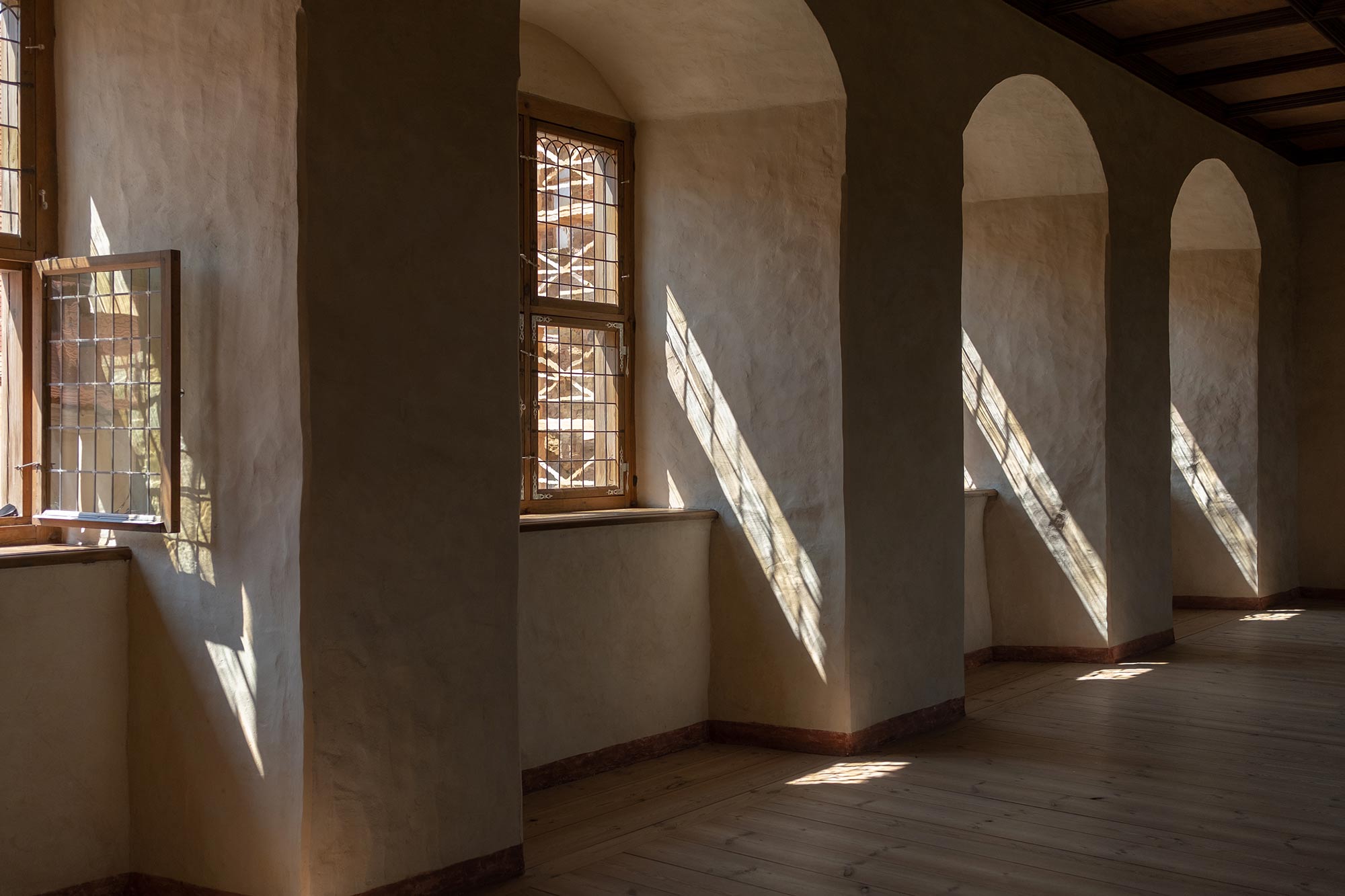

Lime Rendering & Plastering
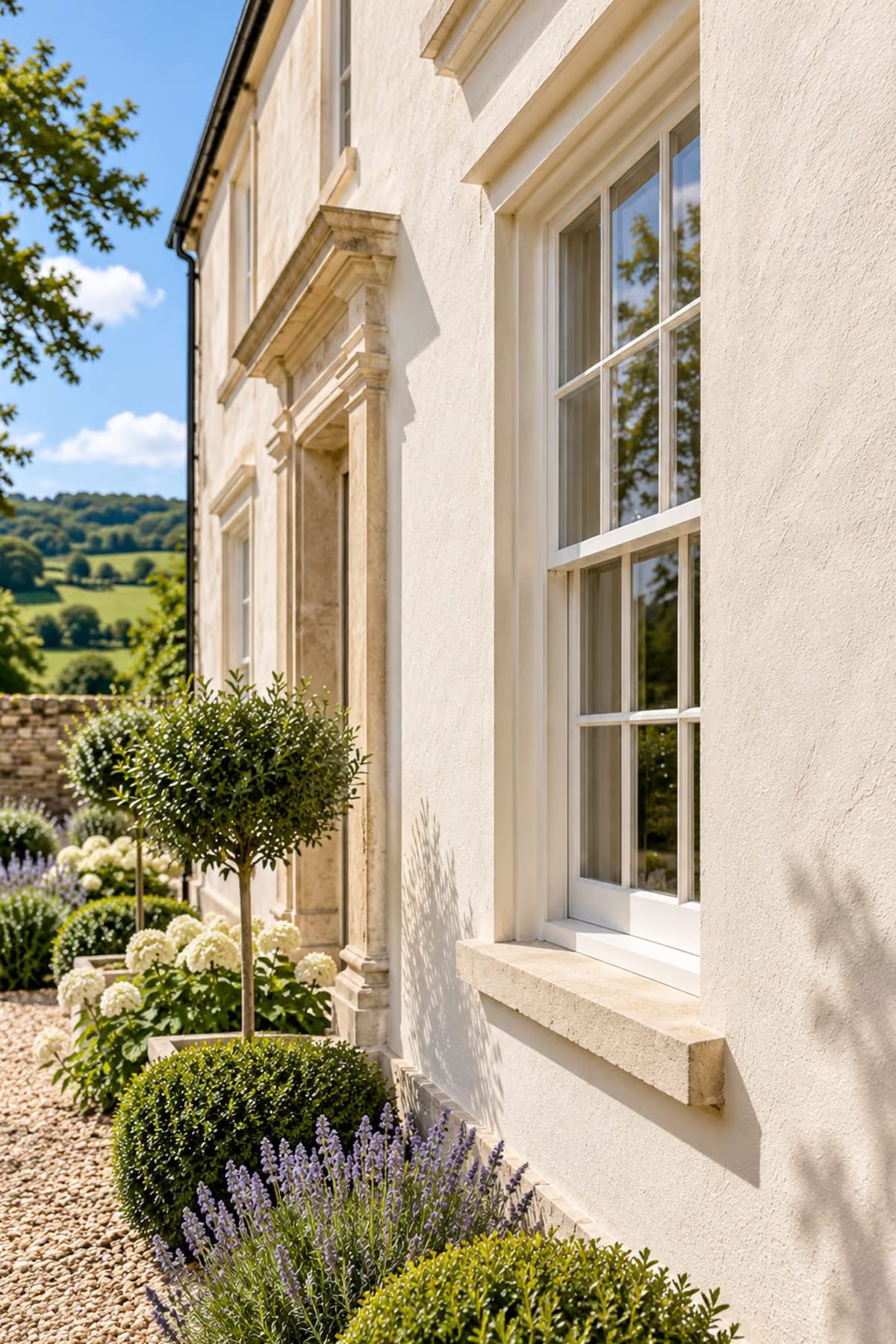
Lime render and plaster let a building breathe. Unlike modern cement-based finishes, lime allows moisture to pass through the wall rather than trapping it, which is exactly why most period properties were built with it in the first place, and why cement repairs so often cause damp problems years later. Our team applies traditional lime plaster, render and decorative finishes across London's period housing stock, matching existing textures on listed properties where sympathetic repair is essential.
What Is Lime Rendering & Plastering?
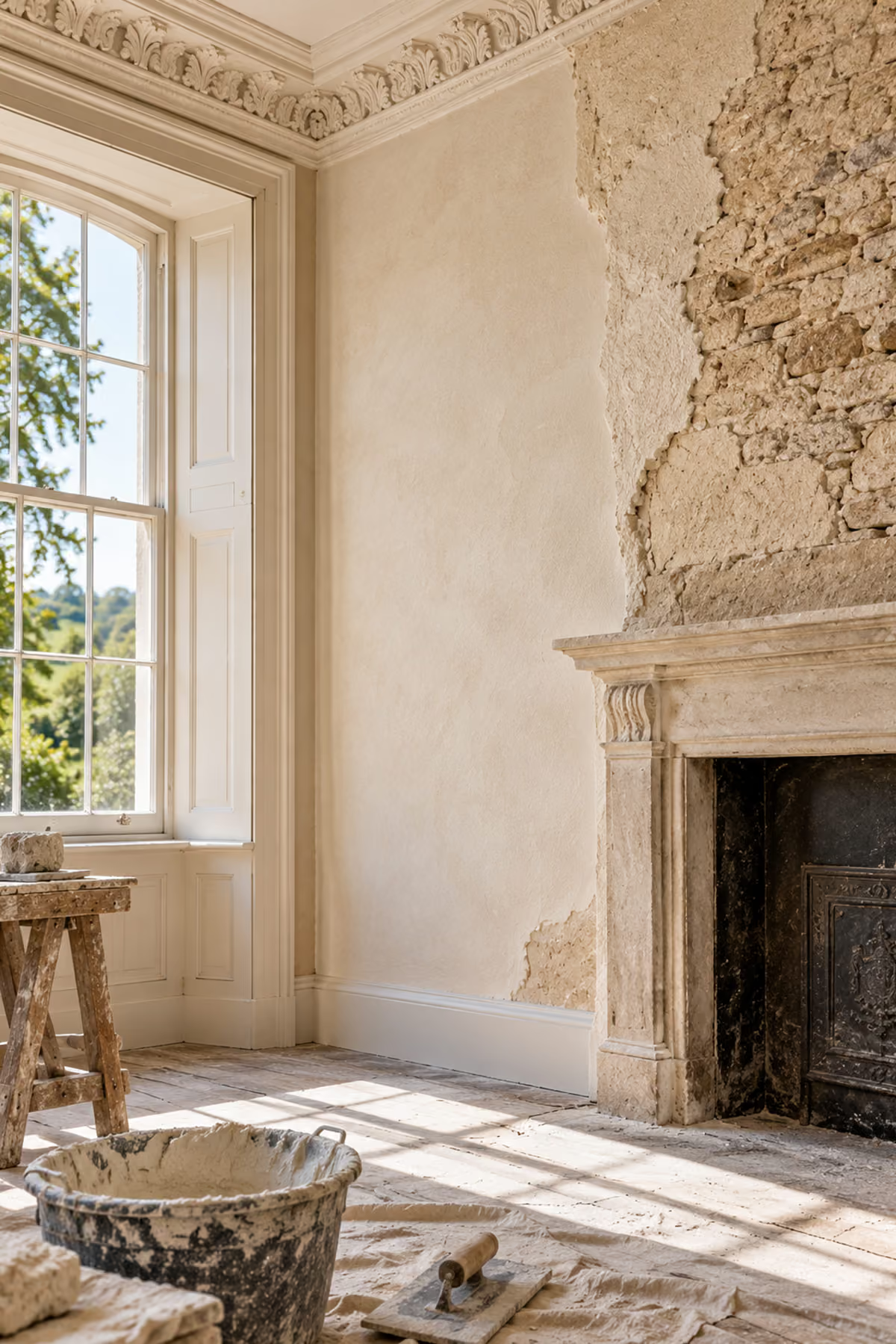
Lime rendering and plastering is the application of lime-based mortar or plaster to walls and ceilings, both internally and externally. It's the finish most Georgian, Victorian and earlier properties were originally built with, a breathable, flexible material that moves with the building rather than cracking against it, and lets moisture evaporate out through the wall surface instead of pooling behind an impermeable barrier. We also carry out in-situ decorative plasterwork, cornicing, ceiling roses and mouldings, cast and fitted to match existing period detail rather than off-the-shelf replacements.
This is one of our specialist trades. Visit our dedicated lime rendering site for more detailed information on the process, materials, and finishes we offer.

Why It Matters
The single most common cause of damp in period properties isn't a leak, it's a previous repair using the wrong material. Cement render or gypsum plaster applied over a wall built to breathe traps moisture inside the wall structure, where it has nowhere to go except into the timber, brick or stone behind it. Once that starts, the damage compounds: timber decay, spalling brick, mould, and repairs that keep failing because the underlying problem was never actually fixed. Lime solves this because it was the right material to begin with.
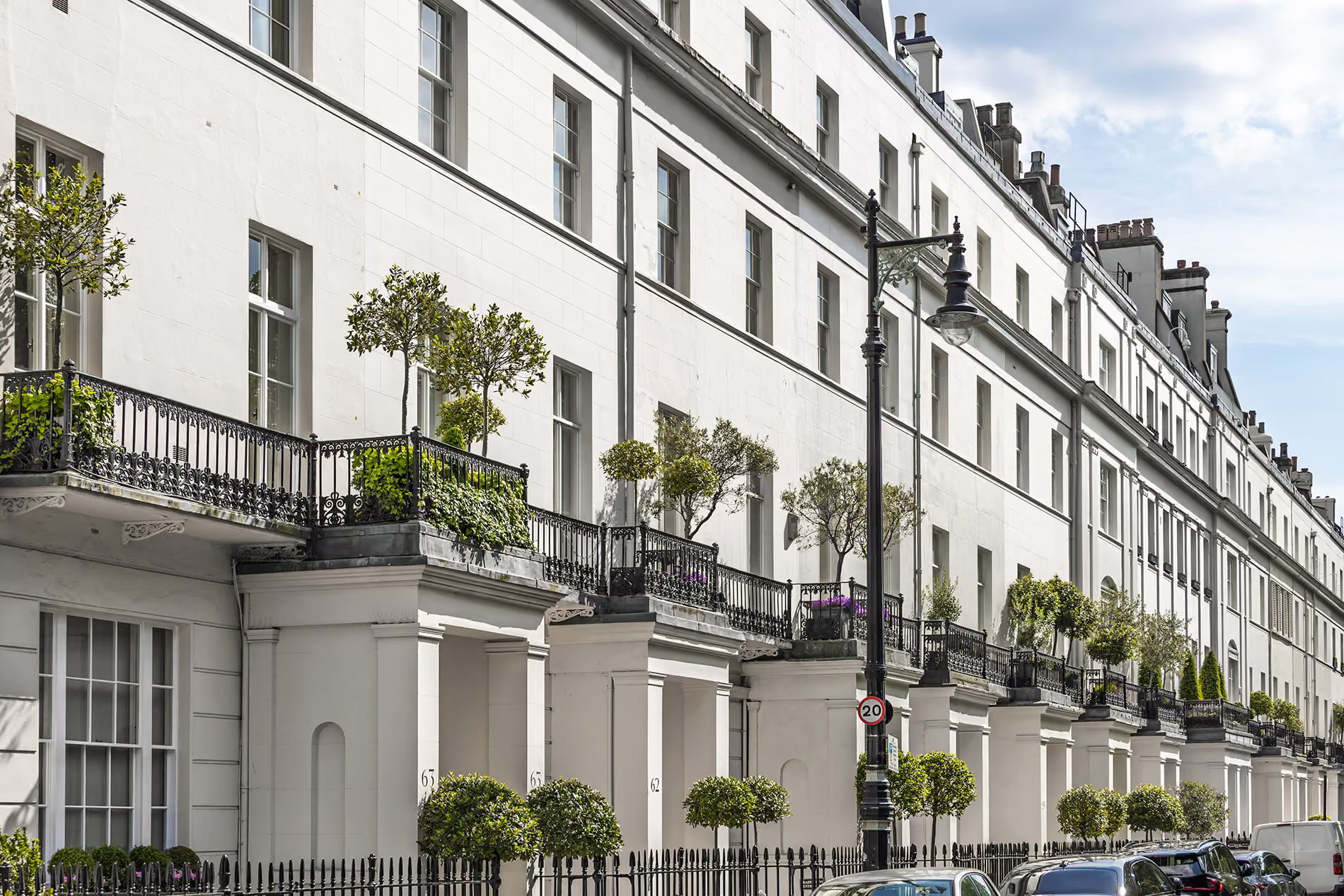
Lime Heritage Restorations proudly serves clients across London and the Home Counties, including Chelsea, Kensington & Notting Hill, Richmond upon Thames, Wimbledon, Hampstead & Highgate, and Greenwich.
In addition to our work across the capital, we regularly work further afield, delivering heritage restoration and full house refurbishment in Surrey, Kent, and Hertfordshire.
Whether you're restoring a listed building or undertaking a complete heritage refurbishment, we bring expert craftsmanship, breathable materials, and conservation-sensitive finishes to every project we take on.
What to Know Before You Start.

We use hydraulic and non-hydraulic lime, matched to the specific wall type and exposure, along with traditional aggregates suited to the property's age and location. Decorative plasterwork is cast from moulds taken directly from surviving original sections wherever possible, so new detail matches old exactly rather than approximately.

On listed buildings, both internal and external plaster and render finishes can fall under listed building consent, particularly where decorative detail or external render is being altered rather than like-for-like repaired. We'll flag this at quote stage so there are no surprises with your local conservation officer.
A single room typically takes 1-3 weeks depending on wall condition and whether previous incompatible finishes need removing first, with lime's slower curing time factored into the schedule. Larger properties or full-house re-plastering naturally take longer, and we sequence rooms to allow proper curing without holding up the wider project unnecessarily.
Lime plastering is unforgiving of shortcuts, rushed curing, the wrong mix for the wall's exposure, or careless matching of decorative detail all show up clearly, and often not until months later. Our plasterers work with lime as their primary material, not as an occasional alternative to gypsum, which is where the difference in finish and durability tends to become obvious. Our plasterers are fully insured and experienced specifically in lime work, not general plastering with occasional lime jobs. We stand behind the finish with a written guarantee, and because lime plaster's failure modes are well understood, we're upfront in advance about the site conditions (temperature, ventilation, curing time) that need to be right for the guarantee to hold.
Frequently asked questions
Material and labour costs are typically higher than gypsum plaster, largely because of the skill and time lime work requires, but the alternative is repairs that fail again within a few years, which costs more in the long run on a period property.
Lime cures over weeks rather than days, and needs to be kept from drying too fast in the first few days. We factor this into the project timeline rather than rushing it, which is where a lot of lime work goes wrong when done by contractors unfamiliar with the material.
Yes, where enough of the original survives, we can take a mould directly from it and cast a matching replacement for the damaged section, so the join is invisible once finished.
It can be used for internal work independently of what's happening externally, though where a wall's damp history involves both faces, we'd recommend assessing the whole wall build-up rather than treating each side in isolation.
It's possible in some circumstances but generally not recommended, plasterboard doesn't breathe the way lime does, which undermines much of the benefit. We'd usually recommend a proper lime-compatible substrate instead, and can advise on the best approach for your specific wall.



