
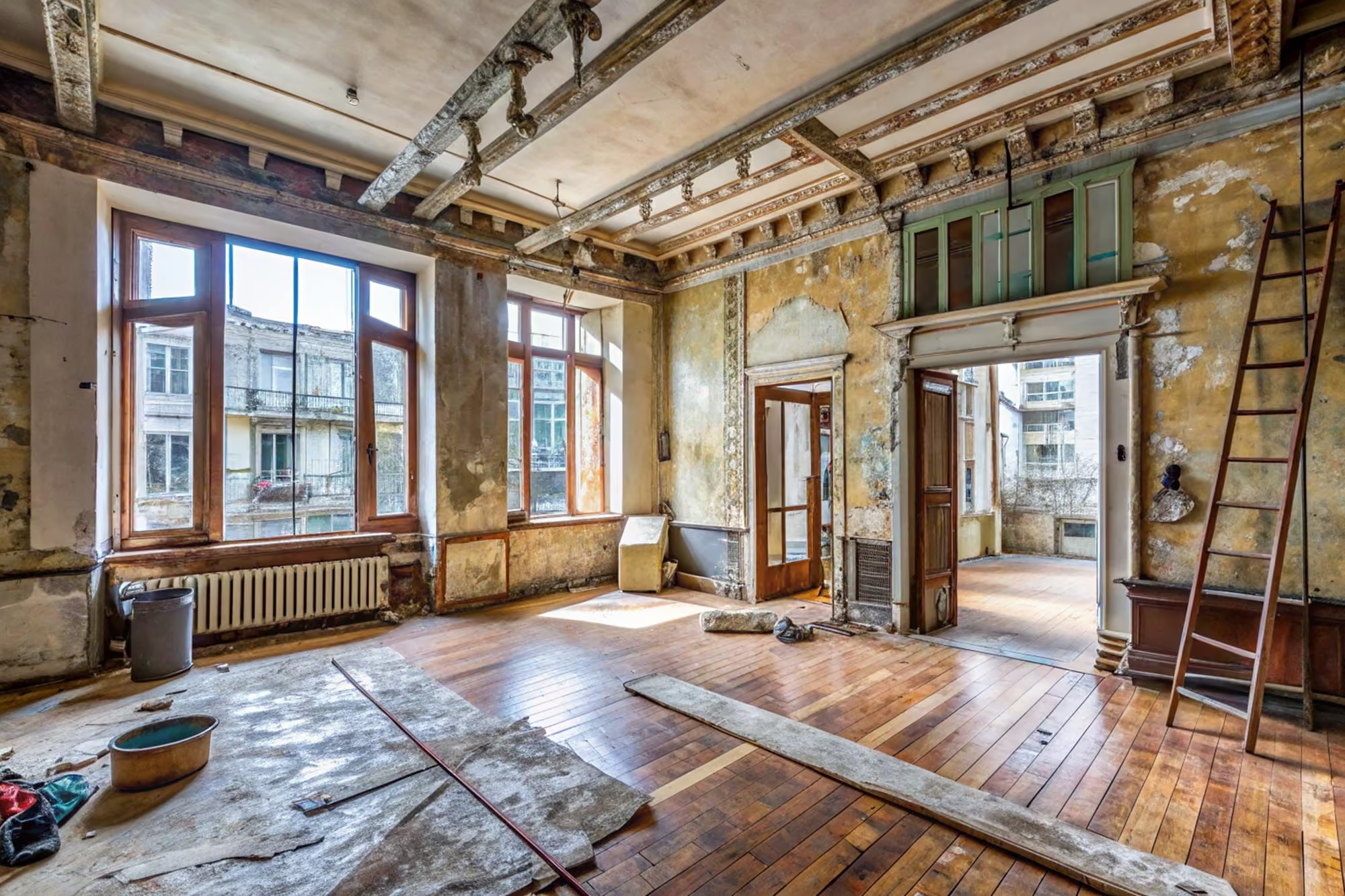

Full House Heritage Refurbishment
A full heritage refurbishment is the biggest commitment a period property owner can make, and the one most likely to go wrong when it's handled by a general contractor rather than a team that actually understands old buildings. We manage the whole process end to end (structural repair, lime work, joinery, electrics, plumbing and finishing) so nothing gets missed between trades, and nothing gets done in a way that compromises the building's original fabric.
It's restoration and construction combined, and treating the two as one coordinated programme, rather than separate jobs, is what keeps a heritage refurbishment on track.
What Is Full House Heritage Refurbishment?
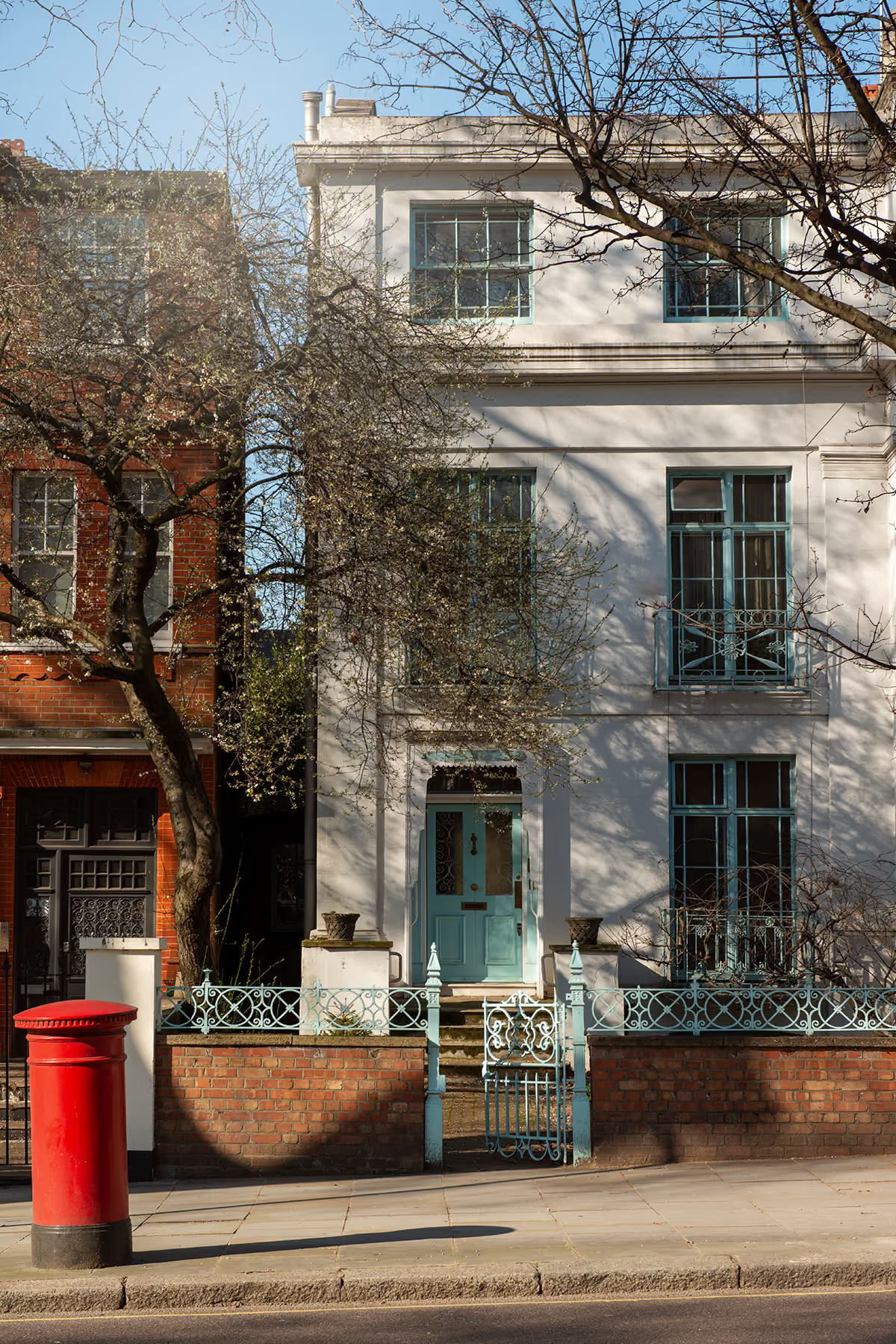
Full house heritage refurbishment covers everything a period or listed property needs to bring it back into good, functioning condition without losing what makes it worth restoring in the first place. That might mean a Georgian townhouse that's had decades of poorly-matched repairs undone and redone properly, a Victorian conversion split back into family use, or a country house brought up to a modern standard of comfort while keeping its original character intact. Unlike a standard renovation, every decision (from wall build-up to window detailing) has to account for how the building was originally constructed and how it needs to keep breathing and moving.
Why It Matters on Period & Listed Property
Most refurbishment failures on period property come down to the same root cause: a contractor treating an old building like a new one. Cement render trapping moisture behind it. Gypsum plaster over lime substrate cracking within a year. Electrics chased through solid walls without regard for original plaster. When a project is split across multiple uncoordinated subcontractors, these mistakes compound: the plasterer doesn't know what the electrician chased through, and the joiner doesn't know what the surveyor flagged. Managing the whole refurbishment under one team means every trade works from the same understanding of the building, and the same respect for its original fabric.
It's also worth saying plainly: a coordinated refurbishment under one team is often not the cheapest quote you'll receive, but it's typically the one that avoids the hidden costs of rework, delay and dispute that come with managing several disconnected contractors on a building this complex.
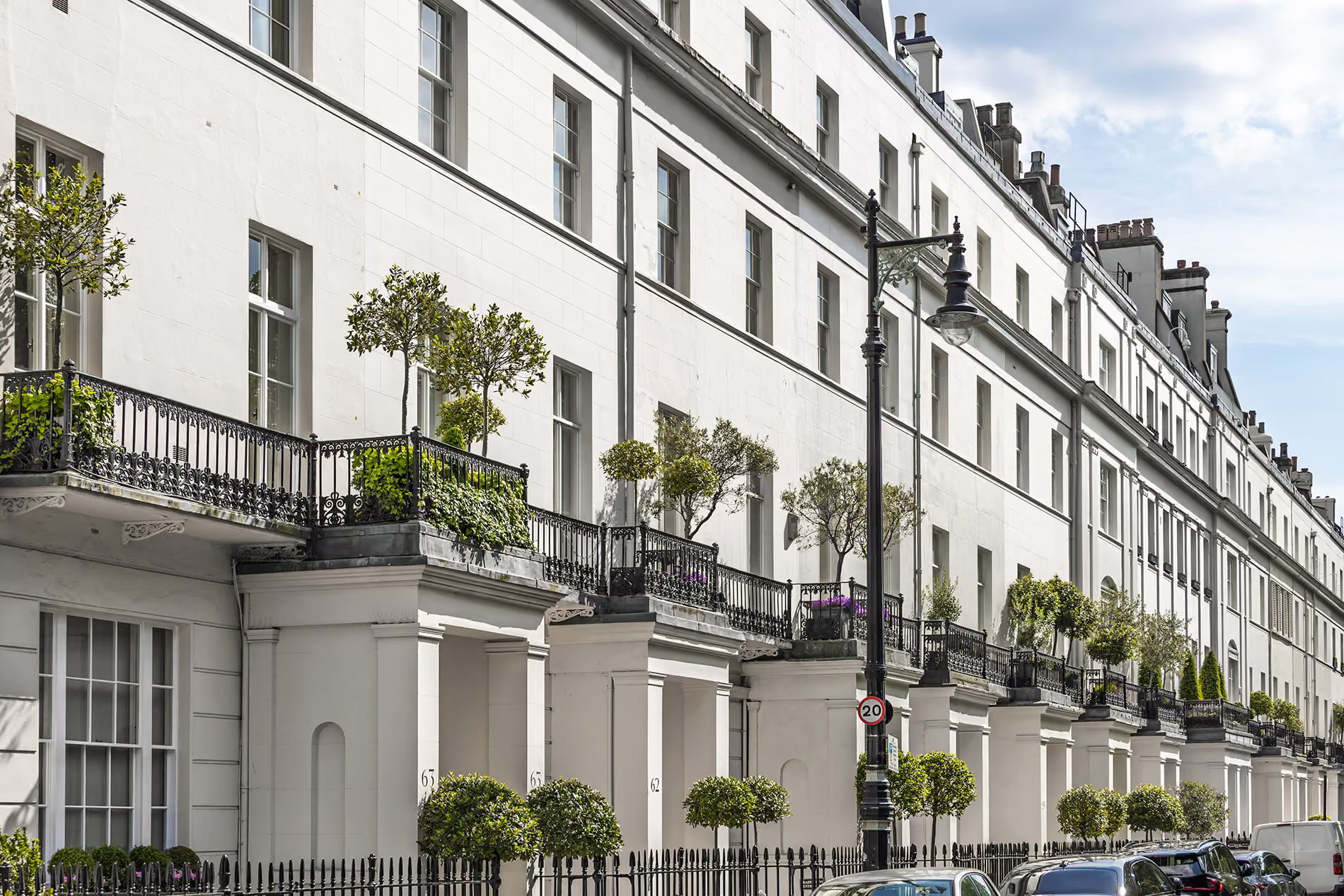
This is one of our most common projects across London's Georgian and Victorian terraces, where decades of piecemeal, mismatched repairs are often more damaging in combination than any single issue on its own. In the Home Counties, we more often see this work on larger detached period houses and former farmhouses, where the scope is different but the same principle of coordinated, building-appropriate work applies.
Lime Heritage Restorations proudly serves clients across London and the Home Counties, including Chelsea, Kensington & Notting Hill, Richmond upon Thames, Wimbledon, Hampstead & Highgate, and Greenwich.
In addition to our work across the capital, we regularly work further afield, delivering heritage restoration and full house refurbishment in Surrey, Kent, and Hertfordshire.
Whether you're restoring a listed building or undertaking a complete heritage refurbishment, we bring expert craftsmanship, breathable materials, and conservation-sensitive finishes to every project we take on.
Restoration and Construction, One Coordinated Programme
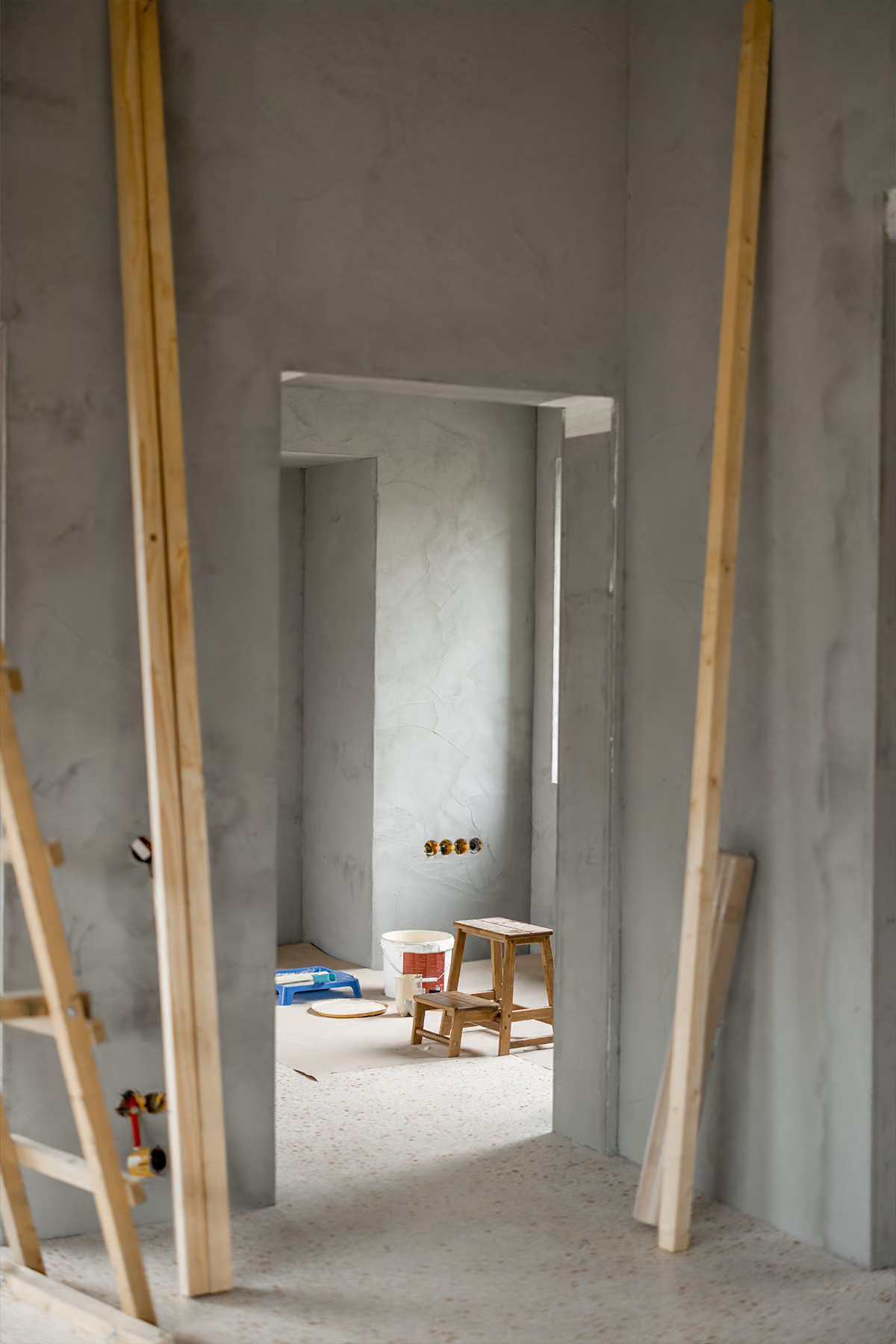
A full refurbishment always combines both. Structural repairs, rewiring, plumbing and roofing are construction work in the true sense, while lime plastering, joinery and decorative finishing are restoration work. Running both under one team and one sequence, rather than splitting them across separate contractors, is what stops one side of the project undoing the other.
What to Know Before You Start.

We use lime-based plasters and renders, reclaimed or hand-made brick and stone matched to the original, solid timber for structural and joinery repairs, and breathable paint systems throughout, never a modern cement or gypsum substitute where the building's original fabric calls for something that lets it breathe.

Full refurbishments on listed buildings almost always touch something that needs listed building consent: window replacement, internal wall changes, even some like-for-like repairs depending on the local authority. We flag what's likely to need consent at survey stage and can work alongside your conservation architect, or recommend one if you don't have one yet, so applications go in before work starts rather than causing delays partway through.
Cost and timeline on a full refurbishment depend heavily on the property's starting condition, its size, and how much of the work touches listed or particularly sensitive fabric. A property that's had reasonable maintenance will cost and take considerably less than one where previous cement or gypsum repairs need stripping back and redoing before new work can even start. We give a detailed, itemised quote after survey rather than a rough estimate, because on a project this size a rough number is rarely useful to plan a budget around.
Most heritage refurbishments fail not through bad individual trades, but through poor coordination between them, the plasterer working around what the electrician has already chased, rather than the other way round. Because we run every trade under one team, sequencing decisions get made once, by people who understand both the building and each other's work, rather than being negotiated on site between separate contractors who've never worked together before. All work is carried out by fully insured, accredited tradespeople, with structural and electrical work certified to current building regulations alongside the heritage-appropriate methods described above. We provide a written guarantee on workmanship, and where third-party warranties apply (for example on new plumbing or electrical installations) we pass those through directly to you.

Frequently asked questions
It depends entirely on scale and condition, a single-storey cottage refresh might take 8-12 weeks, while a full top-to-bottom restoration of a larger listed property can run 6-12 months. We give a realistic timeline at survey stage, built around the building's condition rather than a generic build schedule.
We flag what's likely to need consent and can work directly with your conservation architect or planning consultant. If you don't already have one, we can recommend architects we've worked with on similar listed properties.
Where it's practical, yes, we phase work to keep at least part of the property liveable. For larger structural or first-fix works this isn't always possible, and we'll be upfront about that at the planning stage.
For most full refurbishments we provide a detailed fixed-price quote once survey findings are in, with any genuinely unforeseen issues (common when opening up old fabric) handled through a clear variation process rather than vague overrun.
Yes, every full refurbishment ends with a formal walkthrough against the original condition report, and any snagging items are addressed as standard before we consider the project complete.



