

Heritage Timber & Bespoke Joinery
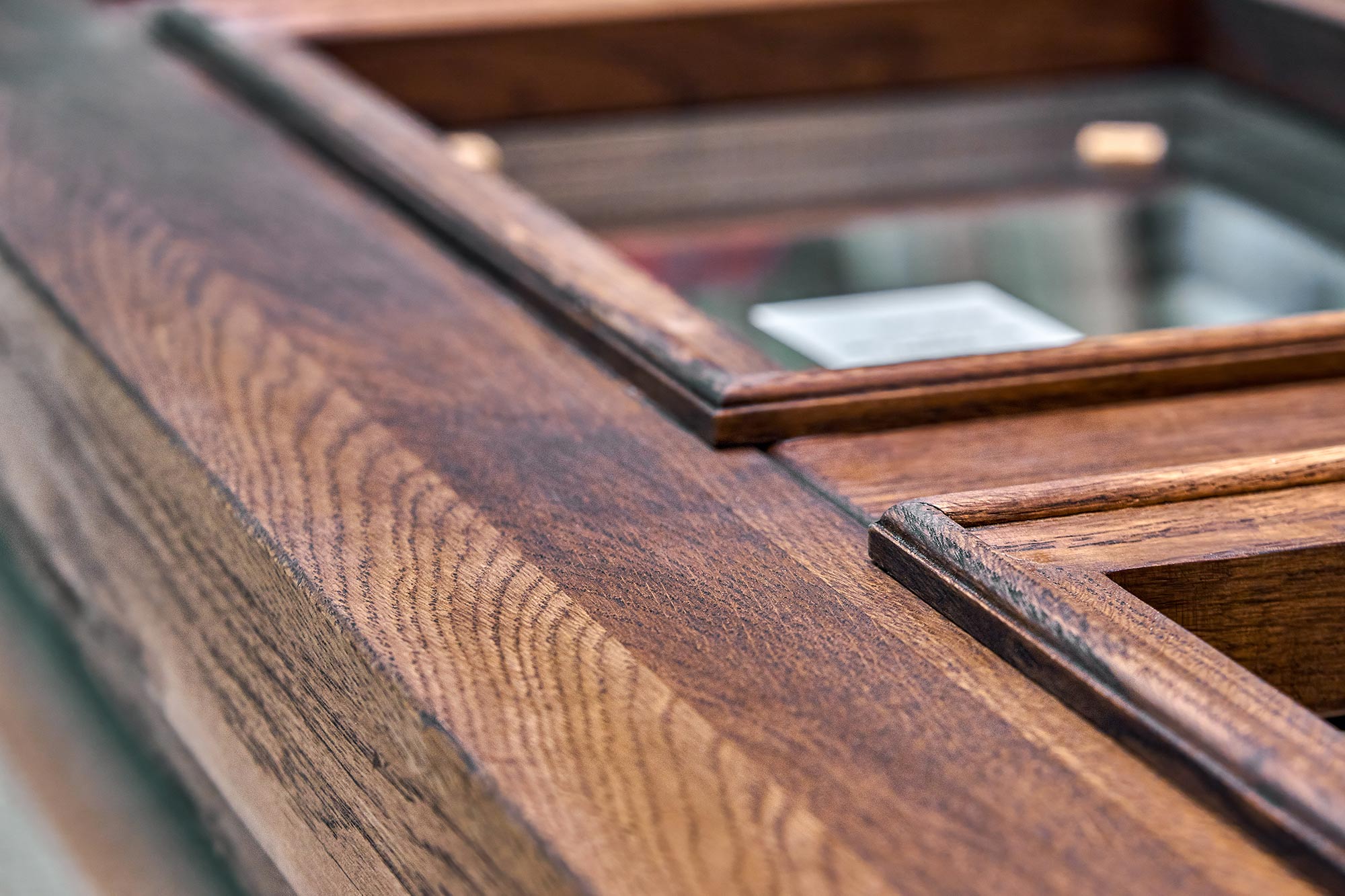
From structural beam repair to a hand-cut staircase, our joiners work to match existing timber species and profiles rather than fitting off-the-shelf replacements. This covers both structural timber, beams, joists, lintels, and decorative joinery like staircases, skirting and architrave, all made bespoke for the property it's going into.
What Is Heritage Timber & Bespoke Joinery?
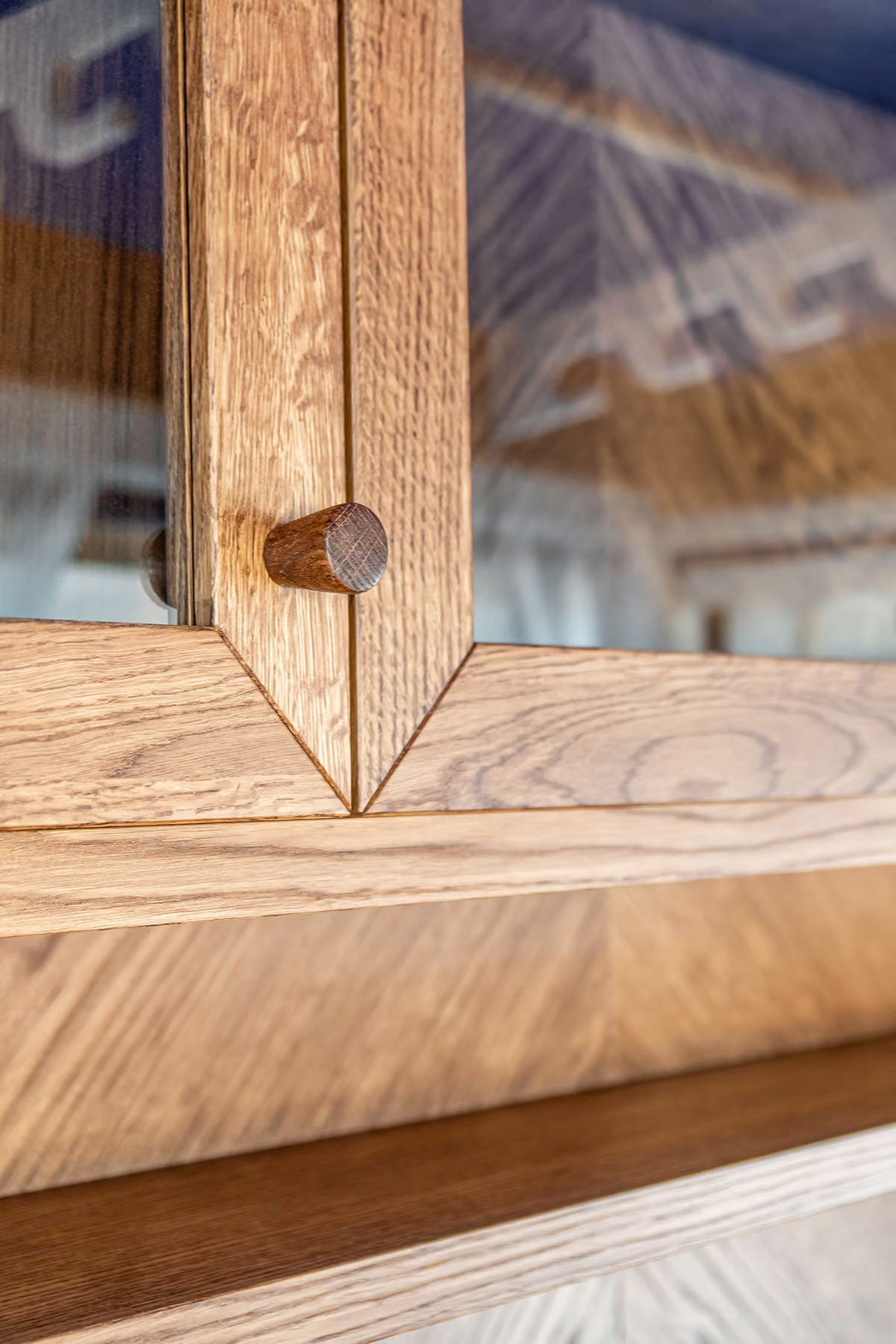
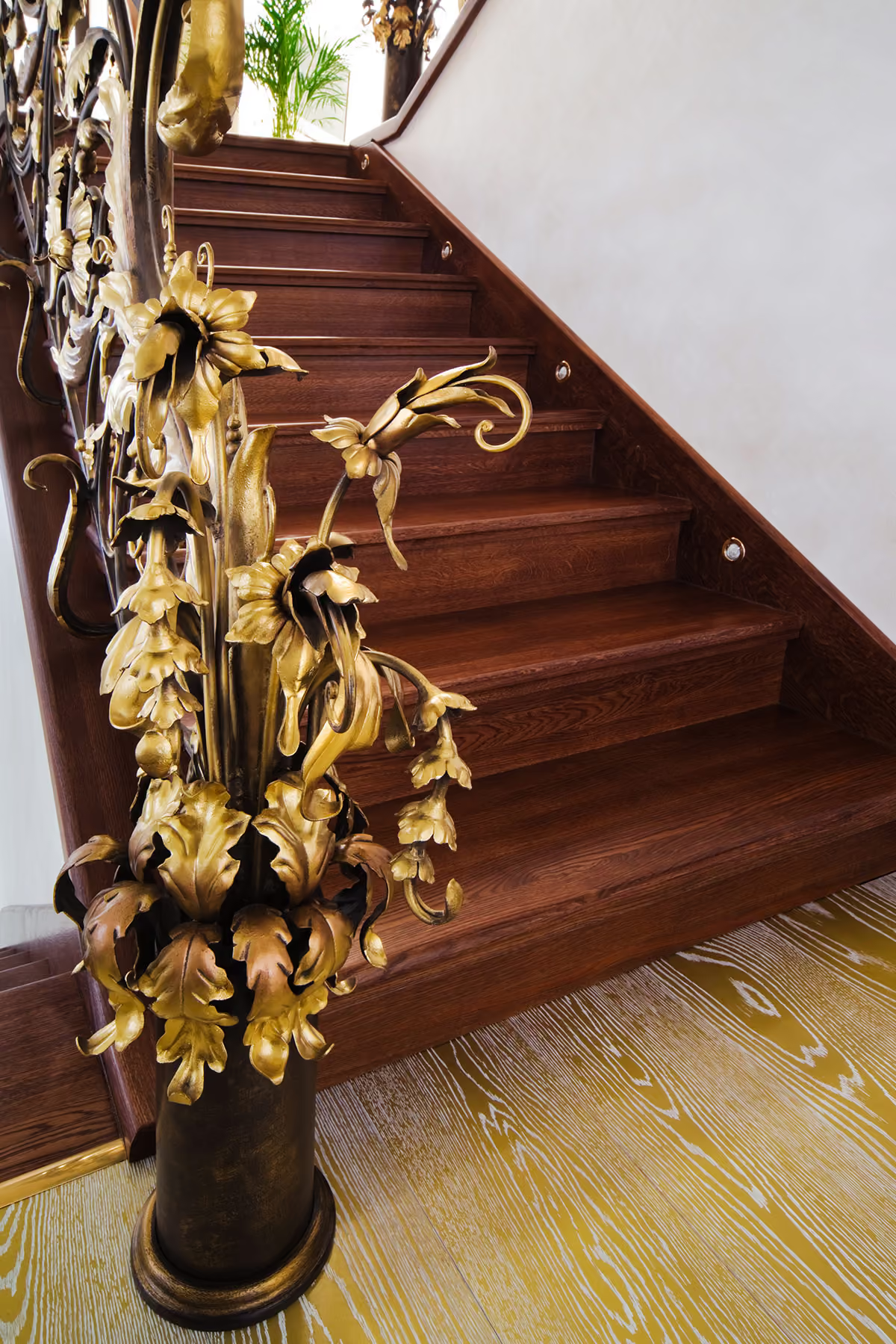
Heritage timber and joinery work spans two related but distinct disciplines. Structural timber repair deals with decayed or undersized beams, joists and lintels, including solid oak lintel replacement above fireplaces and window openings, cut and fitted to match original dimensions. Bespoke joinery covers everything visible: staircases, skirting, architrave, panelling and doors, made to match the property's existing profiles rather than using generic modern mouldings that never quite look right against original period detail.
Why It Matters
Timber decay in period properties is often a symptom of a wider moisture problem rather than a standalone issue, treating the timber without addressing the source of the damp usually means doing the same repair again in a few years. Equally, replacing a damaged section of period joinery with an off-the-shelf modern profile is one of the fastest ways to make a room feel wrong, even if the individual repair is technically sound. We diagnose the underlying cause before repairing, and match profiles precisely rather than approximately.
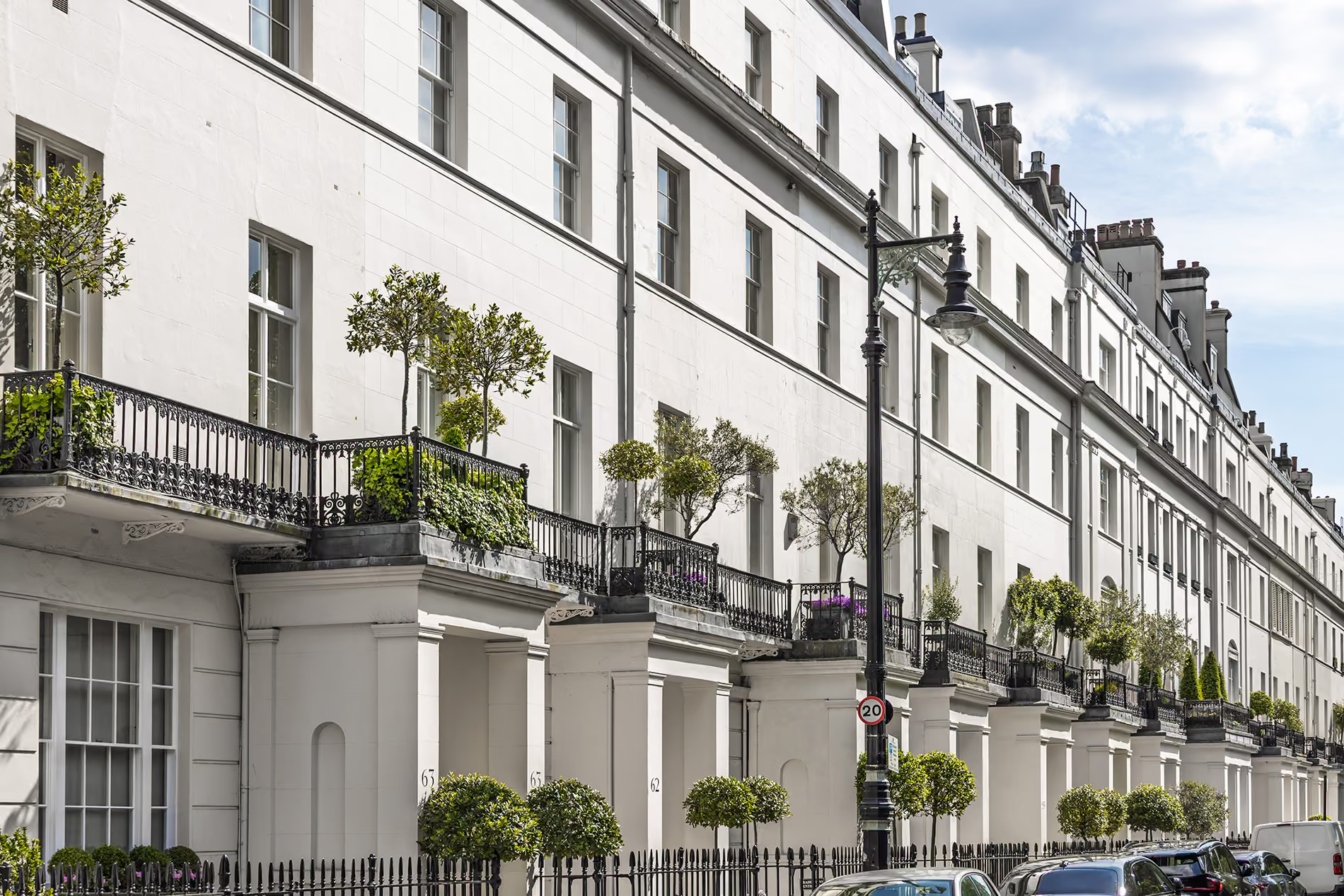
Lime Heritage Restorations proudly serves clients across London and the Home Counties, including Chelsea, Kensington & Notting Hill, Richmond upon Thames, Wimbledon, Hampstead & Highgate, and Greenwich.
In addition to our work across the capital, we regularly work further afield, delivering heritage restoration and full house refurbishment in Surrey, Kent, and Hertfordshire.
Whether you're restoring a listed building or undertaking a complete heritage refurbishment, we bring expert craftsmanship, breathable materials, and conservation-sensitive finishes to every project we take on.
What to Know Before You Start.

Solid oak for structural lintel replacement, and timber species matched to the original, pine, oak, mahogany or whatever the property was originally built with, for joinery work. We avoid engineered or laminated substitutes wherever the original was solid timber, since they behave differently over time and rarely match visually once finished.

Structural timber repairs on listed buildings, particularly visible replacements like staircases or lintels, frequently require listed building consent even when the work is essentially like-for-like. We'll advise at survey stage whether your specific repair is likely to need it.
Straightforward lintel or joinery repairs are typically completed within days once timber is sourced and any necessary structural support is in place; full staircase fabrication or extensive structural timber replacement can take several weeks in the workshop before installation. We give a realistic timeline once the extent of repair versus replacement is confirmed on site.
A lot of 'heritage joinery' work in London is really standard joinery with a period-style moulding bit run over it, close, but not quite right once you know what to look for. Our joiners work from actual profile matches and appropriate timber species, which is the difference between a repair that reads as original and one that reads as a repair. All structural timber work is calculated and, where required, signed off to current building regulations alongside heritage-appropriate materials and methods. Our joiners are fully insured, and workshop-fabricated pieces are guaranteed against manufacturing defect as well as fit.

Frequently asked questions
In most cases yes, using temporary structural support (needling or propping) while the old lintel is removed and the new one fitted, but this depends on the specific structure, which is why we assess and calculate load requirements before quoting.
Yes, we fabricate full replacement staircases matched to a property's period and existing joinery detail, as well as repairing and restoring original staircases where enough of the original survives.
Almost always trapped moisture, commonly from a previous cement repair, poor ventilation, or a leak that's gone unnoticed. We identify and address the cause as part of any repair, not just the visible symptom.
Yes, wherever it's structurally sound, our default is repair over replacement, using splicing or resin consolidation for partial decay, and only recommending full replacement where the timber genuinely can't be saved.
Yes, we guarantee workmanship and materials on bespoke fabrication, if a fitted piece develops a fault due to manufacture rather than normal wear, we put it right.



