
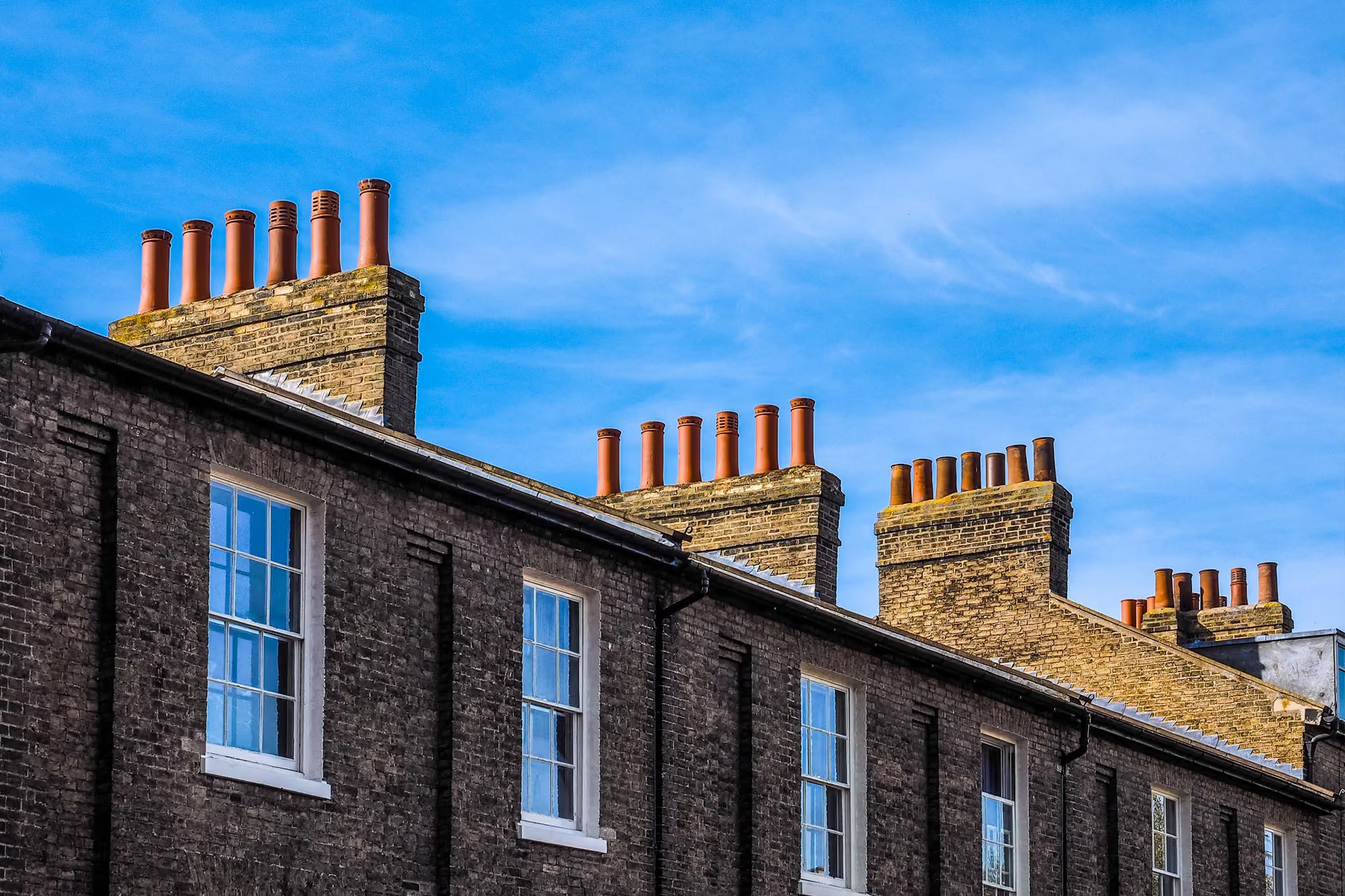

Heritage Roofing & Leadwork
A heritage roof brings together several trades that need to work as one, slating, leadwork, and the timber structure underneath all have to be right, and all have to be right in a way that satisfies a conservation officer as well as keeping the weather out. We handle heritage roofing as a single, coordinated service rather than splitting slating and leadwork between separate uncoordinated contractors. The timber structure beneath is genuine construction work, and it has to be right before any slating or leadwork restoration goes on top of it.
What Is Heritage Roofing & Leadwork?
Heritage roofing covers repair and replacement of natural slate roofing, hand-dressed lead flashings, valleys, dormers and other roof detailing, and the structural timber beneath both. It's distinct from standard roofing in the materials used, natural slate rather than synthetic tiles, lead rather than modern flashing membranes, and in the level of scrutiny the work receives on listed buildings, where roof detailing is very often part of what makes a building's listing significant in the first place.
Why It Matters
Roof failures on period properties are rarely simple. A slipped slate or failed lead flashing that isn't caught early can let water into roof timbers, ceilings and eventually walls below, causing damage far beyond the roof itself. And roofing repairs done with the wrong materials, synthetic tiles instead of slate, modern flashing membrane instead of lead, are some of the most visible and commonly flagged issues in listed building enforcement, because roofs are seen from a distance and inconsistencies stand out immediately.
Lime Heritage Restorations proudly serves clients across London and the Home Counties, including Chelsea, Kensington & Notting Hill, Richmond upon Thames, Wimbledon, Hampstead & Highgate, and Greenwich.
In addition to our work across the capital, we regularly work further afield, delivering heritage restoration and full house refurbishment in Surrey, Kent, and Hertfordshire.
Whether you're restoring a listed building or undertaking a complete heritage refurbishment, we bring expert craftsmanship, breathable materials, and conservation-sensitive finishes to every project we take on.
Roof Construction Underneath the Restoration Finish
The timber structure beneath a heritage roof is construction work, and it has to be sound before any slating or leadwork restoration is carried out on top of it. We treat the two as one sequenced job, structural roof construction first, then the visible restoration finish, rather than splitting them between separate contractors.
What to Know Before You Start.

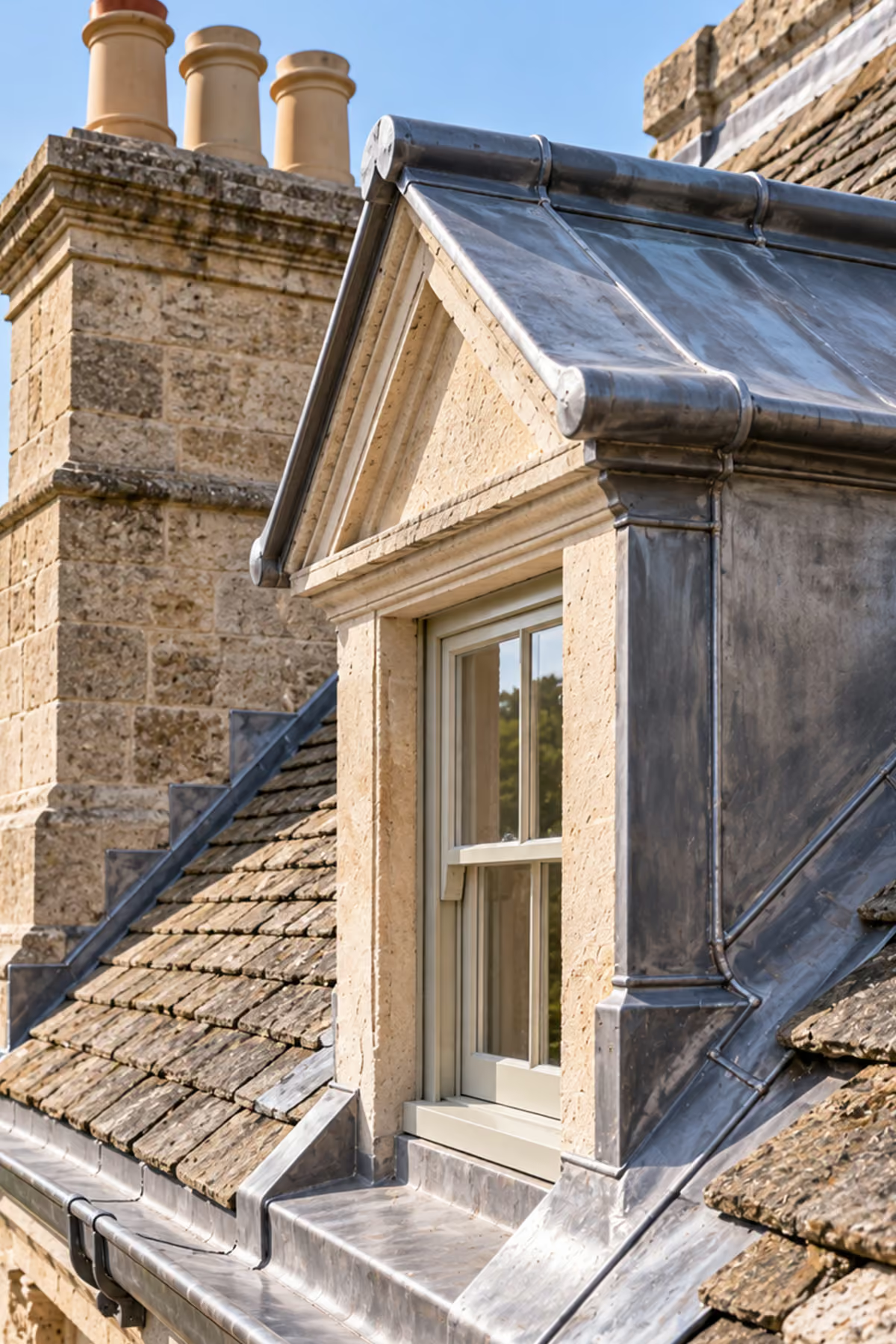
Natural slate matched for size, colour and texture to the existing roof, and code-appropriate lead sheet, hand-dressed and fixed to Lead Sheet Association guidance rather than modern proprietary flashing systems.

Roof repairs on listed buildings very frequently require listed building consent, even for repairs that look minor from the ground, replacing slate type, altering flashing details, or changing roofline elements can all trigger it. We flag this at survey stage and can prepare the documentation conservation officers expect to see.
A localised repair, a section of slipped slates or a failed flashing, is typically a matter of days; a full re-roof including leadwork can take several weeks depending on roof size and complexity. Weather and access (scaffolding for steep or complex roofs) are the main factors affecting scheduling beyond the work itself.
Roofing and leadwork are often split between separate contractors, which creates exactly the junctions, where slate meets lead flashing, most likely to fail. Handling both under one team means those junctions are designed and executed as one continuous detail, not two separate trades' work meeting in the middle. All roofing and leadwork is carried out by fully insured tradespeople to Lead Sheet Association guidance, with a written workmanship guarantee. Where relevant, we can also arrange a post-completion inspection to confirm everything is performing correctly through a first full winter.

Frequently asked questions
Yes, we source reclaimed and alternative-quarry slate matched closely for colour, texture and size, and can show samples against the existing roof before work starts.
More urgent than it looks, even a small gap can let significant water into roof timbers over time, particularly during sustained rain. We'd recommend getting it looked at promptly rather than waiting for a bigger, more obvious problem.
Yes, with appropriate access equipment and safety measures for the specific roof, steep pitches and complex period rooflines are a normal part of heritage roofing work.
For some smaller, accessible repairs yes, using appropriate access equipment, but for anything on a steep or complex period roof, or where extended work is needed, proper scaffolding is usually the safer and more practical approach, which we'll assess and quote for accordingly.
Yes, we can respond quickly to urgent leaks to prevent further internal damage, with a permanent, properly matched repair to follow once the immediate issue is contained.



