
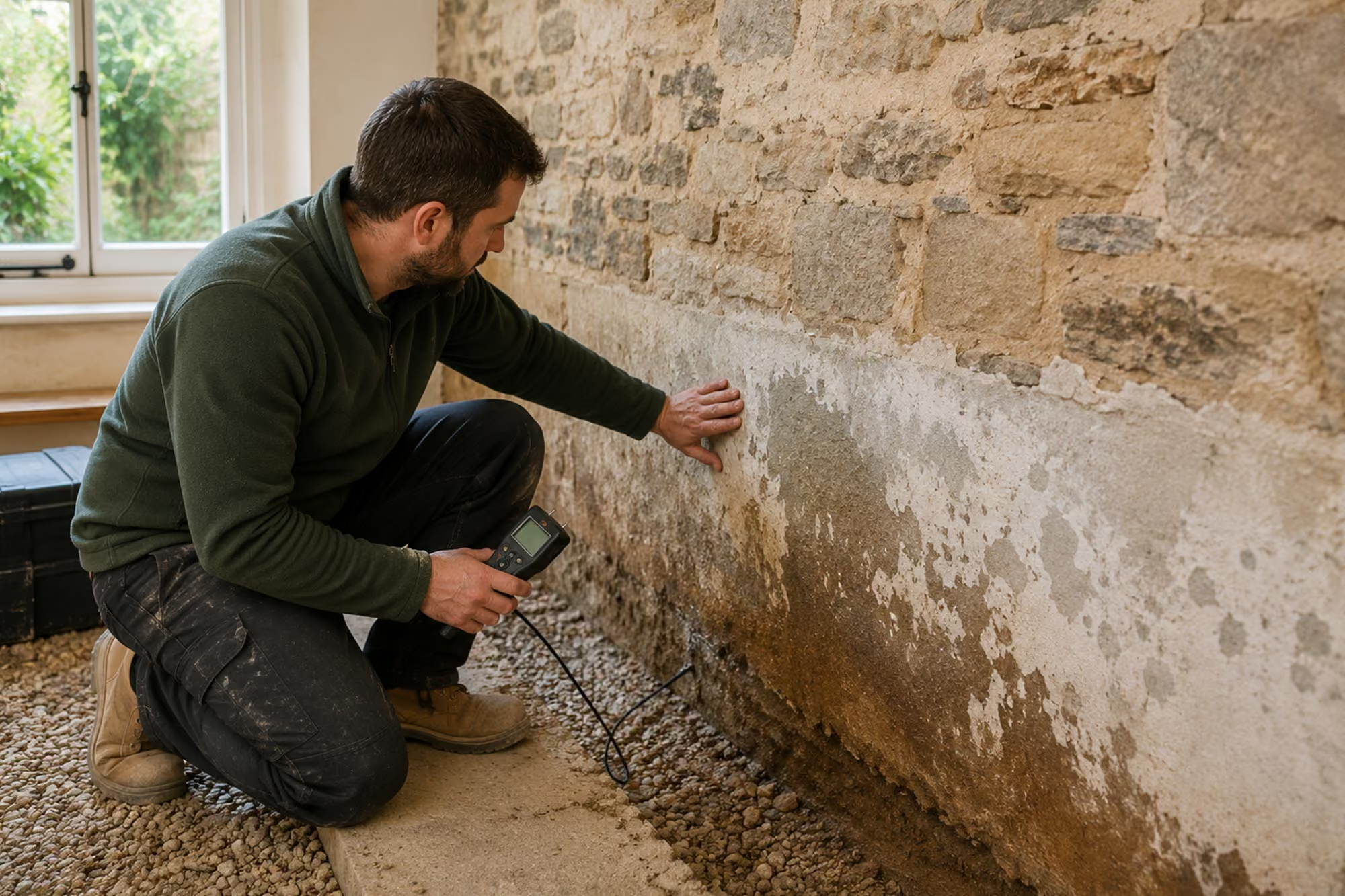

Damp & Moisture Management
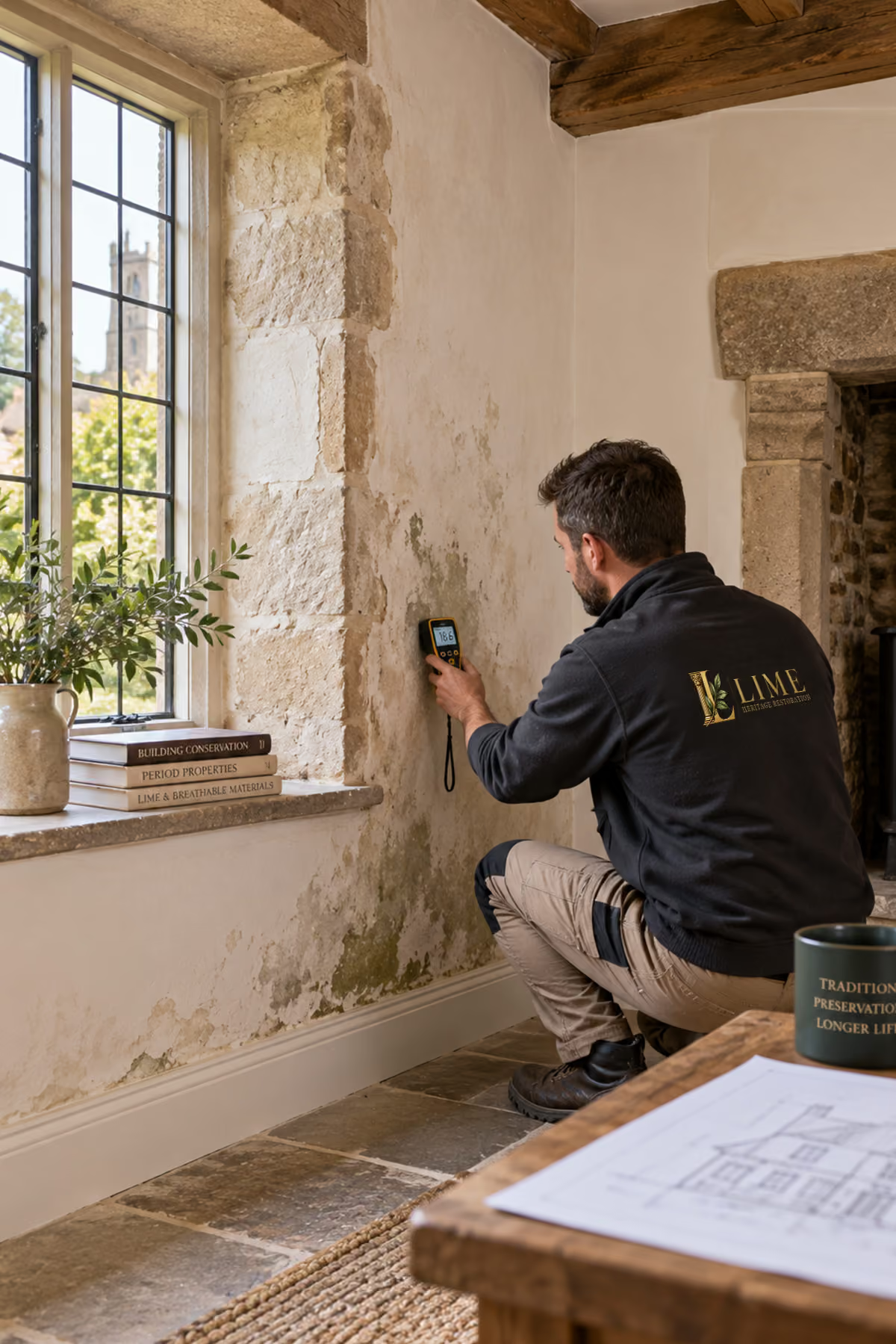
Damp in a period property is usually a symptom of trapped moisture, often caused by an earlier cement repair. We diagnose the actual cause before treating it, and use breathable tanking and lime-based systems rather than modern membranes that just move the problem elsewhere.
What Is Damp & Moisture Management?
Damp proofing in a heritage context means diagnosing and treating the actual source of moisture, rising damp, penetrating damp, or condensation, using methods compatible with the building's original, breathable construction, rather than the injected chemical damp-proof courses or sealed cement-based tanking systems typically used in modern buildings. In many cases, effective damp proofing involves removing a previous incompatible repair as much as adding a new one.
Why It Matters
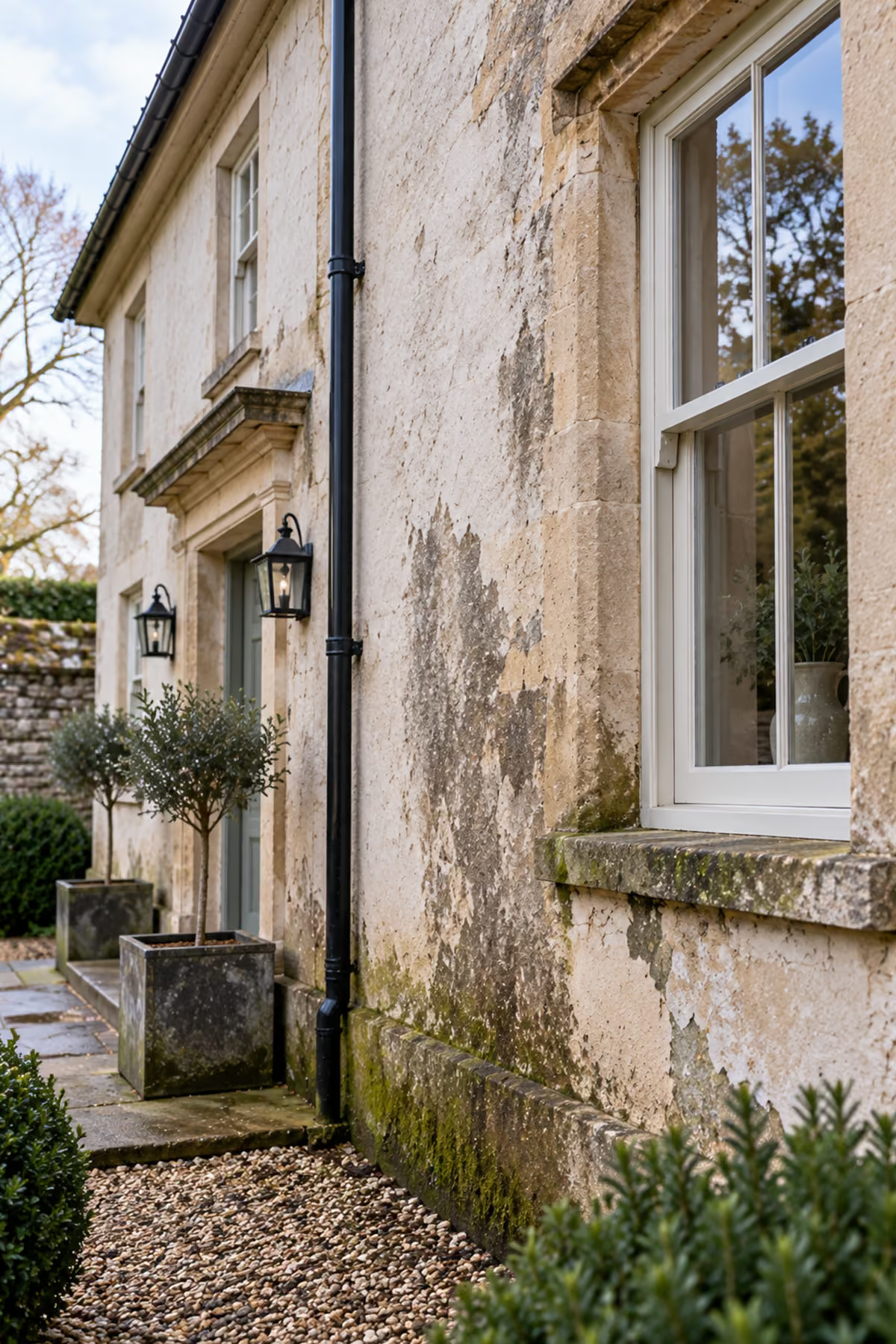
Modern damp-proofing methods are designed for buildings that don't rely on breathability, brick and block cavity walls that were never meant to let moisture pass through. Applied to a period property built to breathe, they often make the underlying problem worse: sealing moisture into the wall rather than letting it evaporate, which shows up as damp reappearing somewhere else in the wall, or accelerating decay in brick, stone or timber that's now permanently damp. Correct diagnosis before treatment is the single most important part of solving damp in an older building properly.
Lime Heritage Restorations proudly serves clients across London and the Home Counties, including Chelsea, Kensington & Notting Hill, Richmond upon Thames, Wimbledon, Hampstead & Highgate, and Greenwich.
In addition to our work across the capital, we regularly work further afield, delivering heritage restoration and full house refurbishment in Surrey, Kent, and Hertfordshire.
Whether you're restoring a listed building or undertaking a complete heritage refurbishment, we bring expert craftsmanship, breathable materials, and conservation-sensitive finishes to every project we take on.
What to Know Before You Start.

Lime-based plasters and breathable tanking slurry where genuinely required, chosen specifically because they allow the wall to continue managing moisture as it was originally built to, rather than sealed modern damp-proofing membranes.

Damp treatment itself doesn't typically require listed building consent, but removal of previous render or plaster as part of the diagnosis and repair can, particularly on internal decorative surfaces. We'll flag this if your specific situation is likely to need it.
Diagnosis typically takes a single site visit; treatment timelines vary significantly depending on the extent of removal and replastering needed, and the wall then needs further time to dry out fully, which can take several months after the physical work is complete. We're upfront that damp resolution is a process, not an instant fix.
A lot of damp treatment in the UK defaults to a standard chemical DPC regardless of building type, because it's a fast, familiar product for the installer. We diagnose first and treat the cause specific to your property's construction, which is a slower but far more reliable approach on period buildings. Diagnostic surveys and treatment are carried out by fully insured specialists, with workmanship on any physical treatment guaranteed. Because damp resolution in period buildings is a process rather than an instant fix, we provide clear written guidance on what to expect and when, rather than a guarantee that overpromises an immediate result.


Frequently asked questions
Injected chemical DPCs are designed for brick and block walls, not solid masonry or walls built with lime, on period properties they very often don't address the actual cause, and moisture finds another route or reappears once the treatment's effectiveness fades.
For period buildings, it's more effective long-term, because it works with the wall's original moisture behaviour rather than against it, standard tanking on a breathable wall structure tends to fail or push damp elsewhere.
This varies significantly with wall thickness and how long the moisture's been trapped, it can take several months for a wall to fully dry once the source is corrected, which we explain clearly so it's not mistaken for the treatment not working.
Yes, the diagnostic survey stands alone, and many clients use it to understand the cause before deciding how, or whether, to proceed with treatment.
Yes, and it usually should be, treating damp in isolation without coordinating with any related plastering, electrical or joinery work happening at the same time often means redundant repeated disruption to the same wall.



