

Heritage Brick Rebuilds
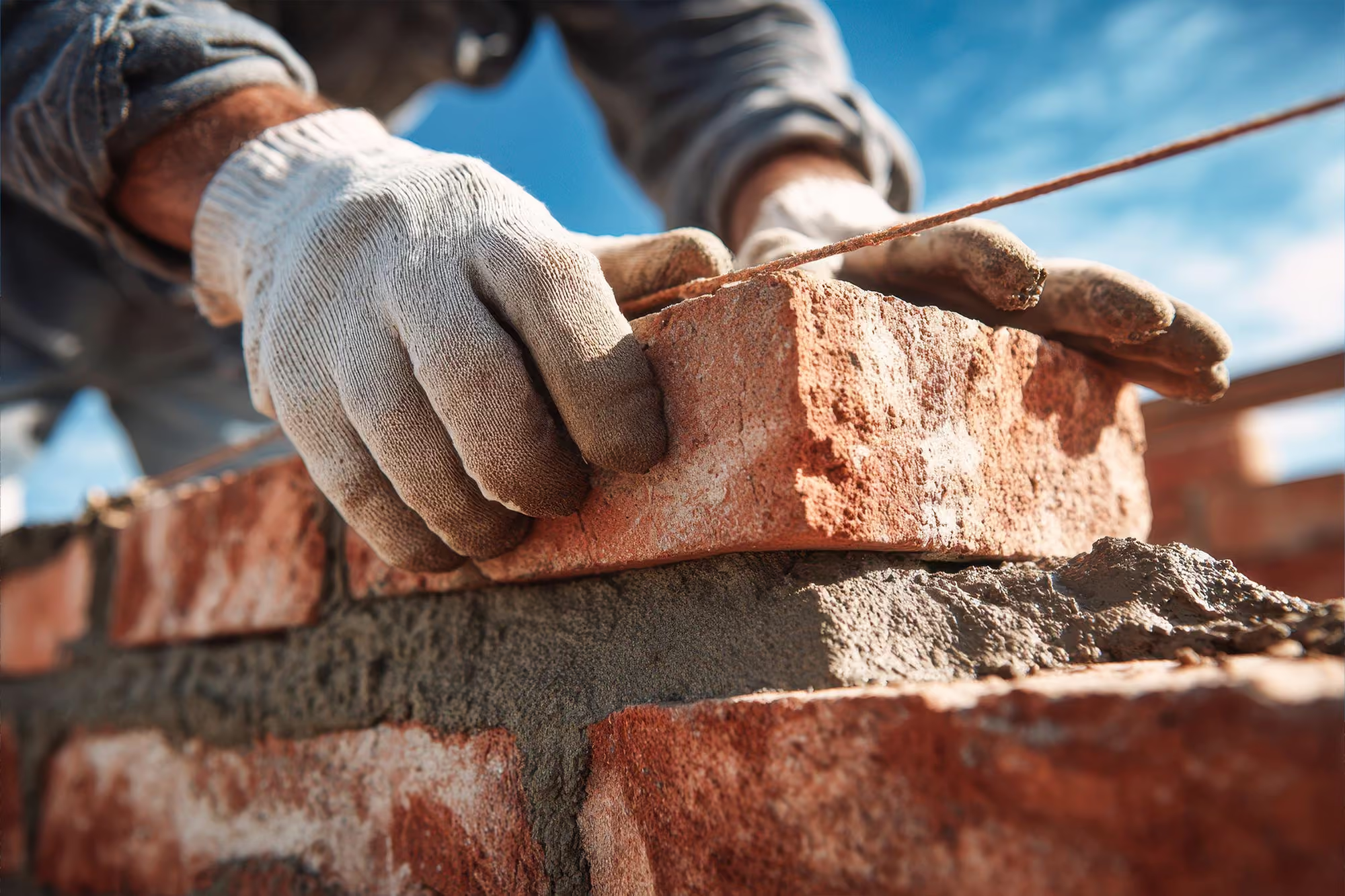
Rebuilding or repointing brickwork on a period property means matching more than colour, bond pattern, brick size, and a lime mortar mix that lets the wall breathe all matter. We source reclaimed or hand-made bricks where needed and repoint in lime, not cement, to avoid trapping moisture in older brickwork. Where a wall has failed structurally rather than just cosmetically, this becomes construction work in its own right, rebuilding to an engineer's specification rather than simple repointing.
What Is Heritage Brick Rebuilds?
Heritage brick rebuilds cover partial or full reconstruction of brickwork that's structurally failed, alongside repointing of brickwork where mortar has decayed but the brick itself is sound. Both require matching the original brick, size, colour, texture and manufacturing method varied significantly by period and region, and repointing in a lime mortar mix suited to the wall's age and construction, rather than the cement-based mortar most modern brickwork uses.
Why It Matters
Cement repointing on period brickwork is one of the most common and most damaging mistakes made on older buildings. Cement mortar is significantly harder and less permeable than the soft, historic brick it's often applied to, which forces moisture to escape through the brick face rather than the mortar joint, accelerating brick decay (spalling) rather than protecting it. Lime mortar is deliberately the weaker, more permeable material in the wall, sacrificing itself to moisture movement so the brick doesn't have to.
Lime Heritage Restorations proudly serves clients across London and the Home Counties, including Chelsea, Kensington & Notting Hill, Richmond upon Thames, Wimbledon, Hampstead & Highgate, and Greenwich.
In addition to our work across the capital, we regularly work further afield, delivering heritage restoration and full house refurbishment in Surrey, Kent, and Hertfordshire.
Whether you're restoring a listed building or undertaking a complete heritage refurbishment, we bring expert craftsmanship, breathable materials, and conservation-sensitive finishes to every project we take on.
Restoration Repair or Construction Rebuild?
Repointing sound brickwork is restoration work, matching mortar and finish to what's already there. A structurally failed wall is a different job, a construction rebuild carried out to an engineer's specification, not just a decorative repair. We assess which one a property actually needs before recommending either.
What to Know Before You Start.

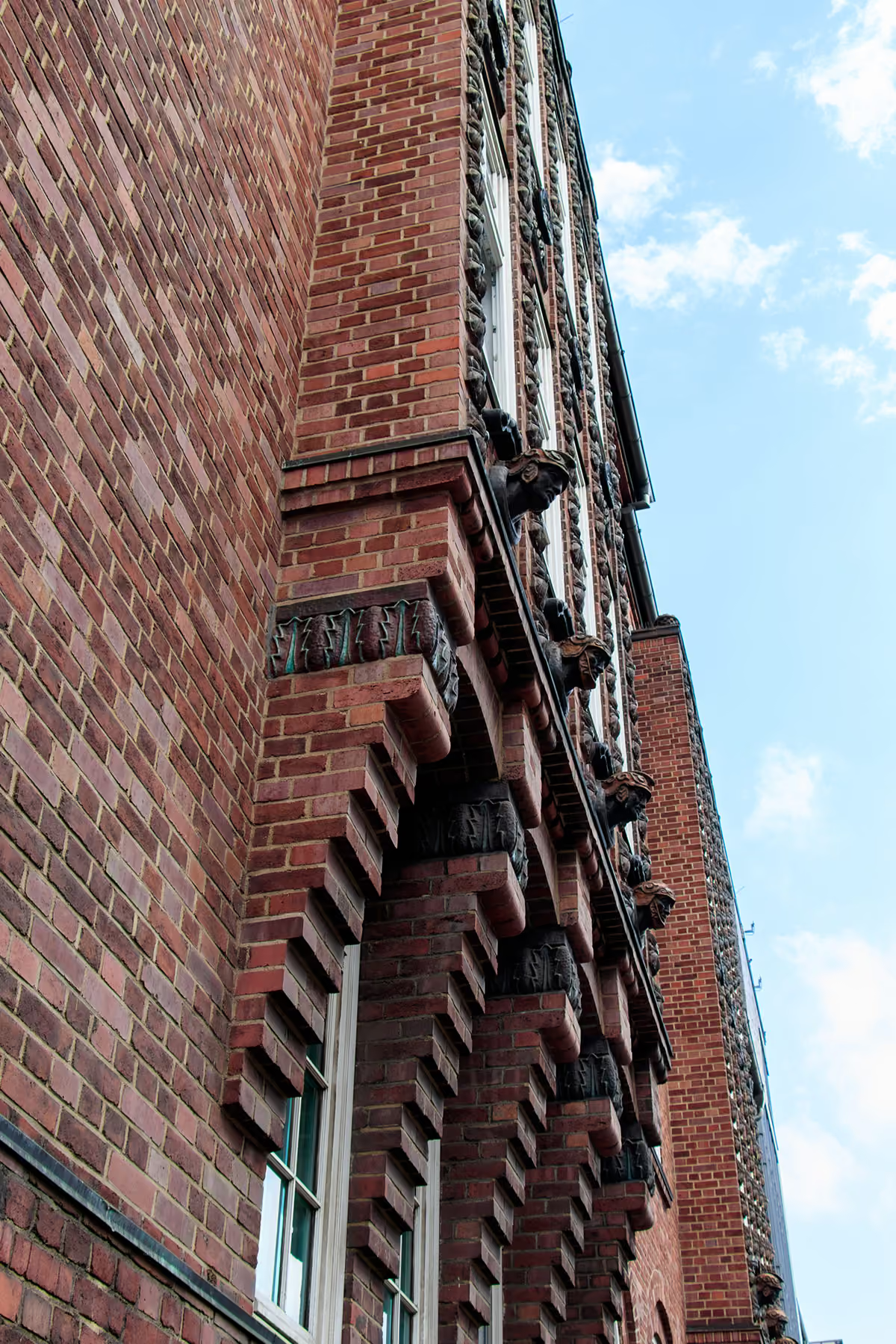
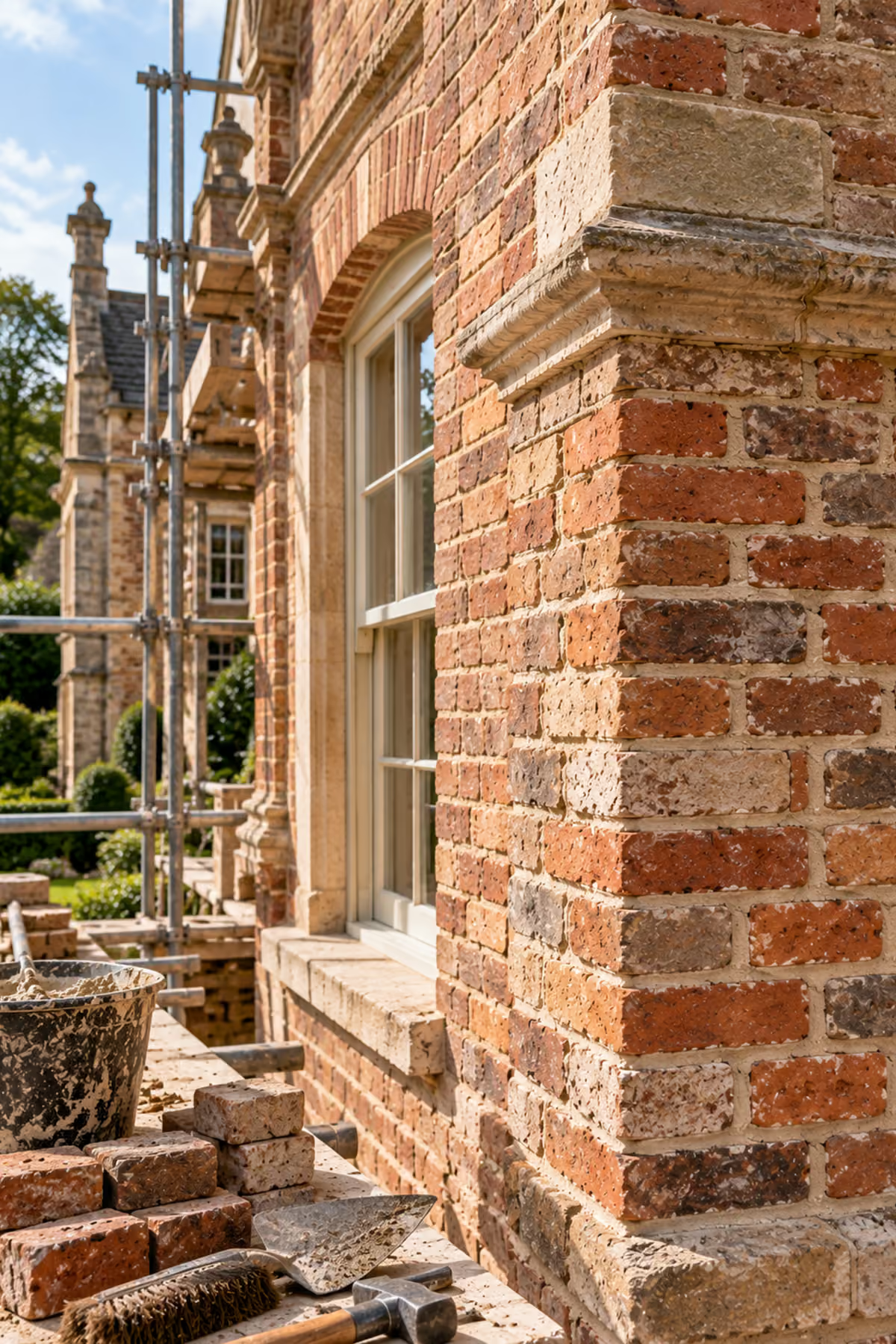
Reclaimed or hand-made brick matched to the original by size, colour, texture and, where relevant, manufacturing method, along with lime mortar mixed to match the historic mortar's colour, aggregate and joint profile.

Brick repairs on listed buildings, particularly anything beyond minor like-for-like repointing, typically require listed building consent, conservation officers will often want to see proposed brick and mortar samples before approving more extensive rebuild work.
Repointing a typical facade section usually takes 1-2 weeks; more extensive rebuilding involving brick sourcing and structural work takes longer, particularly if an exact brick match needs to be specially made. We factor realistic lead times for brick sourcing into the project schedule from the outset.
Getting brick and mortar colour right is as much a visual skill as a technical one, we mix and test mortar samples against your existing brickwork before committing to a full repointing job, rather than applying a standard lime mix and hoping it reads as close enough. Our bricklayers are fully insured and experienced specifically in lime mortar and heritage brick matching. Workmanship is guaranteed, and we're happy to provide mortar and brick samples for your approval before committing to a full repointing or rebuild.


Frequently asked questions
Because it's harder and less permeable than the historic brick around it, moisture that would normally escape through the softer mortar joint is instead forced through the brick face, accelerating decay there instead.
In most cases yes, we work with specialist brickmakers who can produce matches for historic brick types, and will always confirm a sample match against your existing brickwork before proceeding.
Repointing addresses failed mortar where the brick itself is structurally sound; rebuilding is needed where brick has spalled beyond repair or where there's genuine structural movement. We assess and explain which applies before quoting.
Lime mortar is deliberately the sacrificial, softer element in the wall, it may need attention sooner than cement in absolute terms, but that's exactly what protects the brick from the more serious, harder-to-reverse damage cement repointing causes over time.
For external work it's generally contained to the specific wall section, with appropriate protection for surrounding areas, we'll explain what to expect for your specific project at quote stage.



