
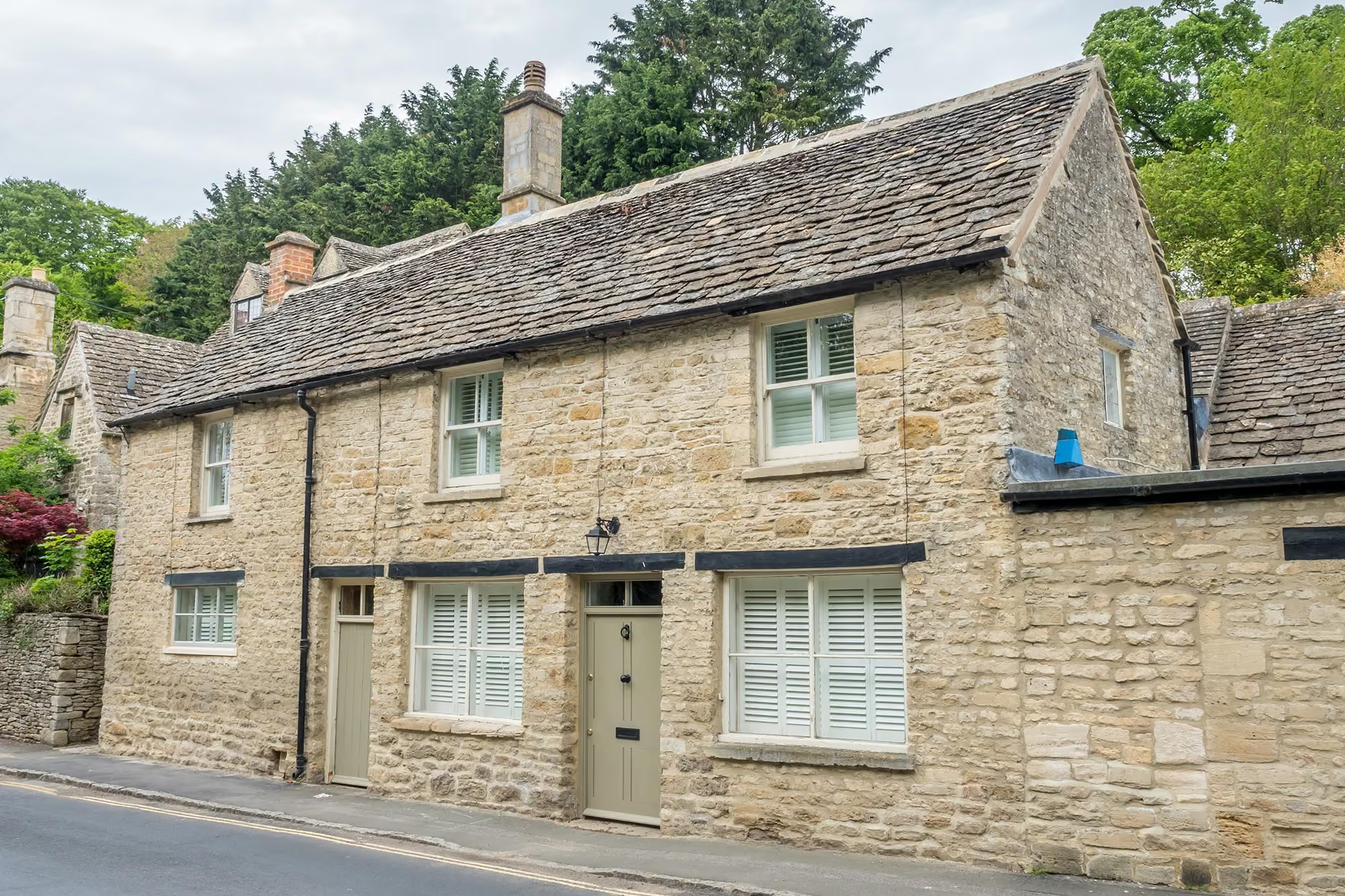

Heritage Stone Conservation
Stone conservation covers everything from indenting and piecing-in decayed stonework to full facade cleaning and repair, always using stone matched for type, colour and finish to the original rather than a visually approximate substitute. This is precise, specialist work, get the match wrong and a repair stands out for decades.
What Is Heritage Stone Conservation?
Stone conservation is the repair, cleaning and consolidation of natural stone facades, dressings, and decorative stonework on period and listed buildings. It ranges from small-scale indenting, cutting out a decayed section and piecing in new stone matched to the original, through to full facade cleaning, mortar repointing in lime, and consolidation of stone that's spalling or eroding due to weathering, pollution, or previous inappropriate repairs.
Why It Matters
Stone deteriorates for identifiable reasons, usually water ingress through failed pointing, salt crystallisation, or a previous cement repair trapping moisture behind the stone face. Treating the visible damage without addressing the cause simply delays the next round of the same problem. Equally, using the wrong stone or the wrong mortar mix for a repair is often more visually damaging than leaving the original decay untreated, because it draws the eye rather than blending in, a particular concern on prominent London facades in conservation areas.
Lime Heritage Restorations proudly serves clients across London and the Home Counties, including Chelsea, Kensington & Notting Hill, Richmond upon Thames, Wimbledon, Hampstead & Highgate, and Greenwich.
In addition to our work across the capital, we regularly work further afield, delivering heritage restoration and full house refurbishment in Surrey, Kent, and Hertfordshire.
Whether you're restoring a listed building or undertaking a complete heritage refurbishment, we bring expert craftsmanship, breathable materials, and conservation-sensitive finishes to every project we take on.
What to Know Before You Start.

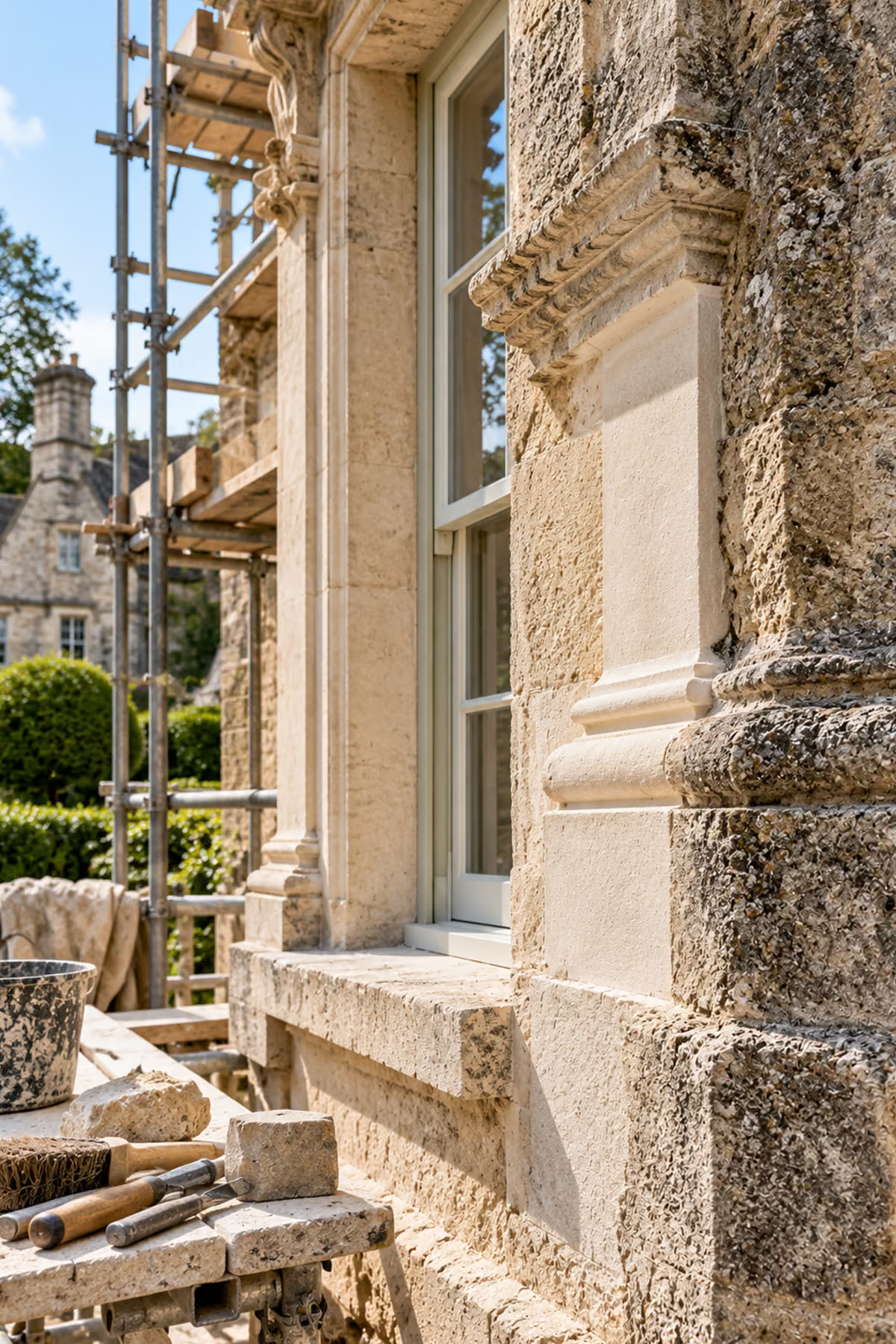
Natural stone matched to the original by type, colour and grain, sourced from the original quarry where it's still operating, or from reclaimed and carefully selected alternatives where it isn't, along with lime mortar mixed to match original pointing.

Stone repair on listed buildings, particularly anything beyond minor like-for-like pointing, typically requires listed building consent, and conservation officers will often want to see the specific stone match proposed before approving work. We handle this documentation as part of the project.
Stone conservation timelines depend heavily on the extent of decay and how much matching stone needs sourcing, a small indent repair might take days, while a full facade requiring extensive piecing-in and cleaning can take several weeks to months. Stone sourcing itself can be a significant factor in the schedule if an exact match isn't readily available.
Stone matching is where a lot of otherwise competent repair work falls down, close-but-not-quite stone stands out for decades on a facade. We take the time to source a genuine match before starting, and will show you physical samples against your existing stonework rather than proceeding on an assumption. Our stonemasons are fully insured, and repair work is guaranteed against workmanship defect. Because stone repairs are visible and long-lived by design, we're happy to provide references or examples of comparable completed work in your area before you commit.


Frequently asked questions
In many cases yes, we source from reclamation yards and alternative quarries producing stone with a close geological match, and will always show you a physical sample against the existing stone before proceeding.
It depends entirely on method and stone type, abrasive or high-pressure cleaning can permanently damage softer stone. We select cleaning methods specifically suited to the stone in question, and will advise if a particular facade shouldn't be cleaned at all.
By addressing the underlying cause, usually repointing in lime rather than cement, and ensuring water is shedding away from the repaired area rather than pooling against it.
We'll flag related issues we notice during survey, poor drainage or failed guttering is a very common contributor to stone decay, and addressing it alongside the stone repair itself is usually necessary to stop the problem recurring.
Yes, periodic inspection can catch early signs of pointing failure or moisture ingress well before they become a significant repair, and we can arrange this on a schedule that suits the property.



