
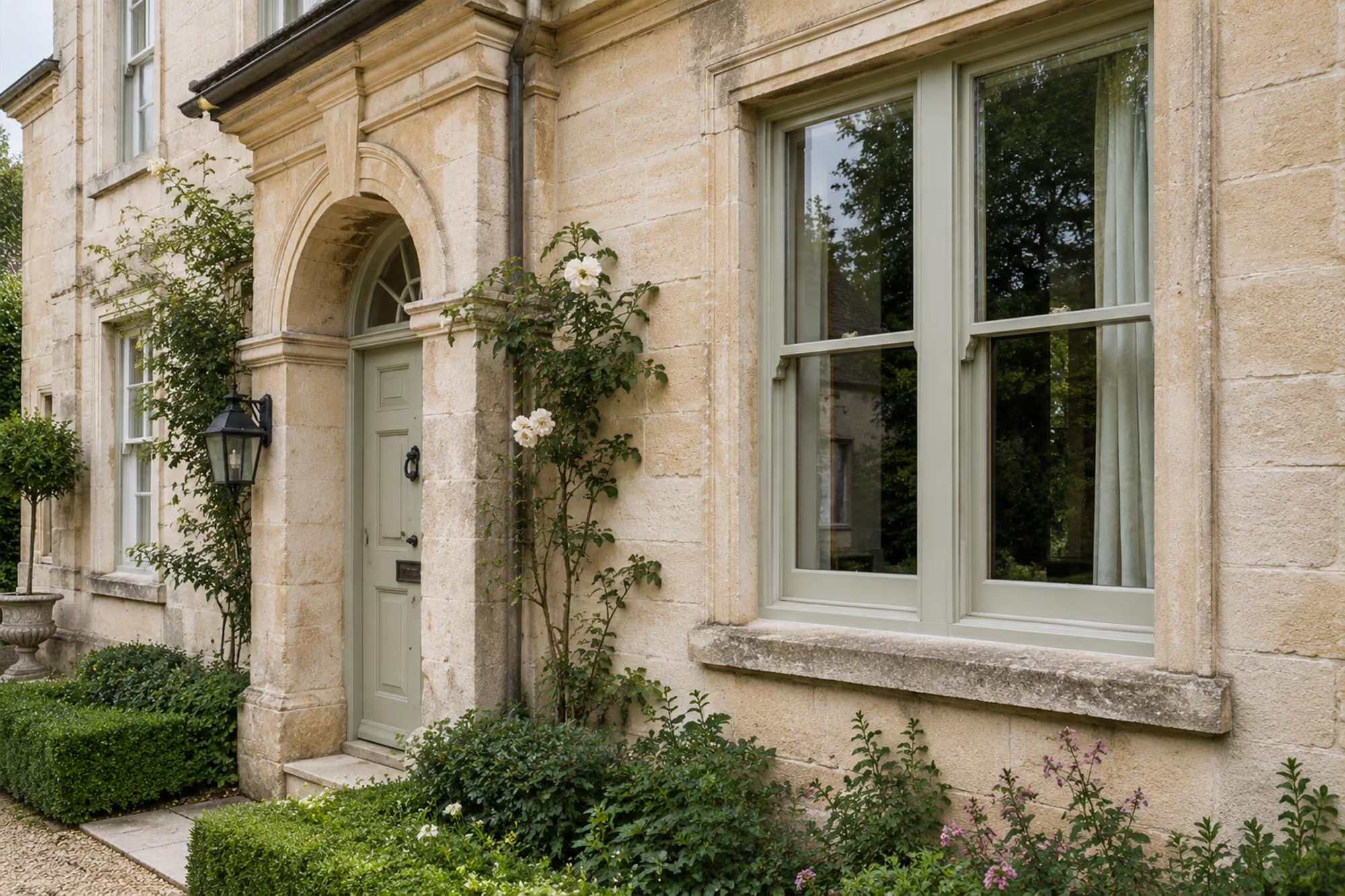

Conservation & Restoration
Conservation work asks a different question to standard restoration: not just 'how do we fix this' but 'how do we fix this in a way a conservation officer will sign off, using techniques the building will still be standing on in another hundred years.' We work directly with heritage officers and conservation architects where required, and document our approach for listed building consent applications.
What Is Conservation & Restoration?
Conservation and restoration is the umbrella discipline behind most of our specialist trades, it's the approach of repairing a historic building using materials and methods appropriate to its age and construction, guided by recognised conservation principles (minimal intervention, like-for-like materials, reversibility of repairs where possible) rather than simply making something look new again. It often involves coordinating several specialist trades under a single conservation-led approach, and producing the documentation a conservation officer needs to approve the work.
Why It Matters
Listed buildings are protected because of their historic and architectural significance, and any work affecting that significance is subject to scrutiny most standard building work never sees. A conservation-led approach isn't bureaucratic box-ticking, it genuinely produces better, longer-lasting outcomes, because the principles behind it (minimal intervention, compatible materials, respecting original fabric) are the same principles that stop a repair failing again in five years. Working with a team that understands this from the outset avoids the common cycle of work being started, then stopped or reversed because it didn't meet conservation requirements.
Lime Heritage Restorations proudly serves clients across London and the Home Counties, including Chelsea, Kensington & Notting Hill, Richmond upon Thames, Wimbledon, Hampstead & Highgate, and Greenwich.
In addition to our work across the capital, we regularly work further afield, delivering heritage restoration and full house refurbishment in Surrey, Kent, and Hertfordshire.
Whether you're restoring a listed building or undertaking a complete heritage refurbishment, we bring expert craftsmanship, breathable materials, and conservation-sensitive finishes to every project we take on.

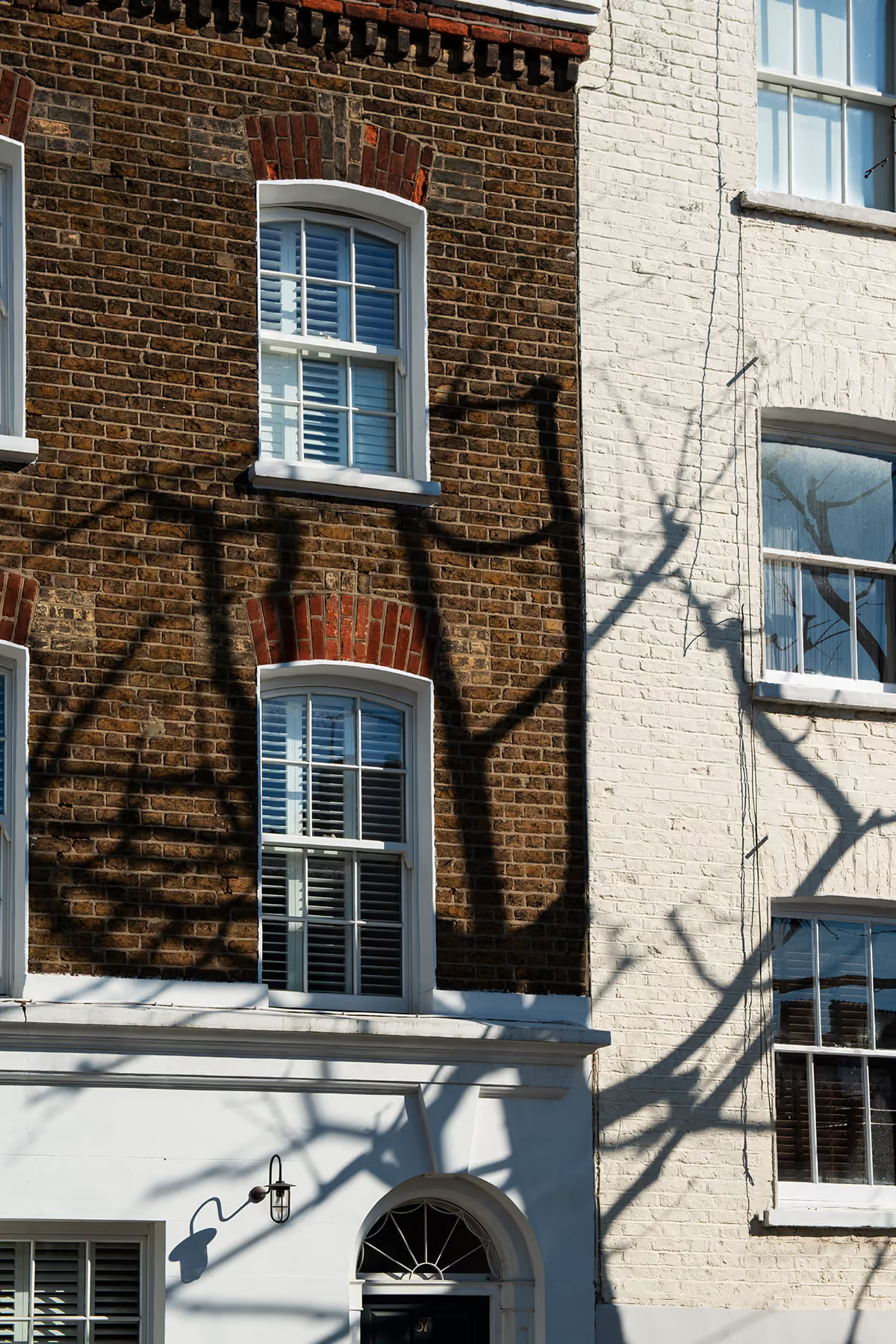
What to Know Before You Start.

Selected specifically to match the building's original construction and period, in line with conservation best practice, this is the connecting thread across all our specialist services, from lime plaster to stone conservation to heritage roofing.

This service is, in large part, about listed building consent, identifying what needs it, preparing the documentation conservation officers require, and carrying out approved works to the agreed methodology.
Timelines are driven as much by the consent process as by the physical works, a straightforward listed building consent application might take 8-12 weeks, while more complex applications requiring additional heritage assessments can take considerably longer. We build this into project planning from the outset rather than treating consent as a separate, unpredictable delay.
We approach conservation projects from the position of wanting the work to genuinely last and genuinely satisfy conservation principles, not just to get an application approved with the minimum required documentation. That approach tends to produce smoother consent processes, because conservation officers can see the proposed methodology is grounded in real understanding, not boilerplate. We're fully insured for conservation-led work, and our approach and documentation are prepared to the standard conservation officers expect to see. Where a heritage impact assessment or specialist survey is required beyond our own expertise, we can recommend and coordinate with appropriate consultants.
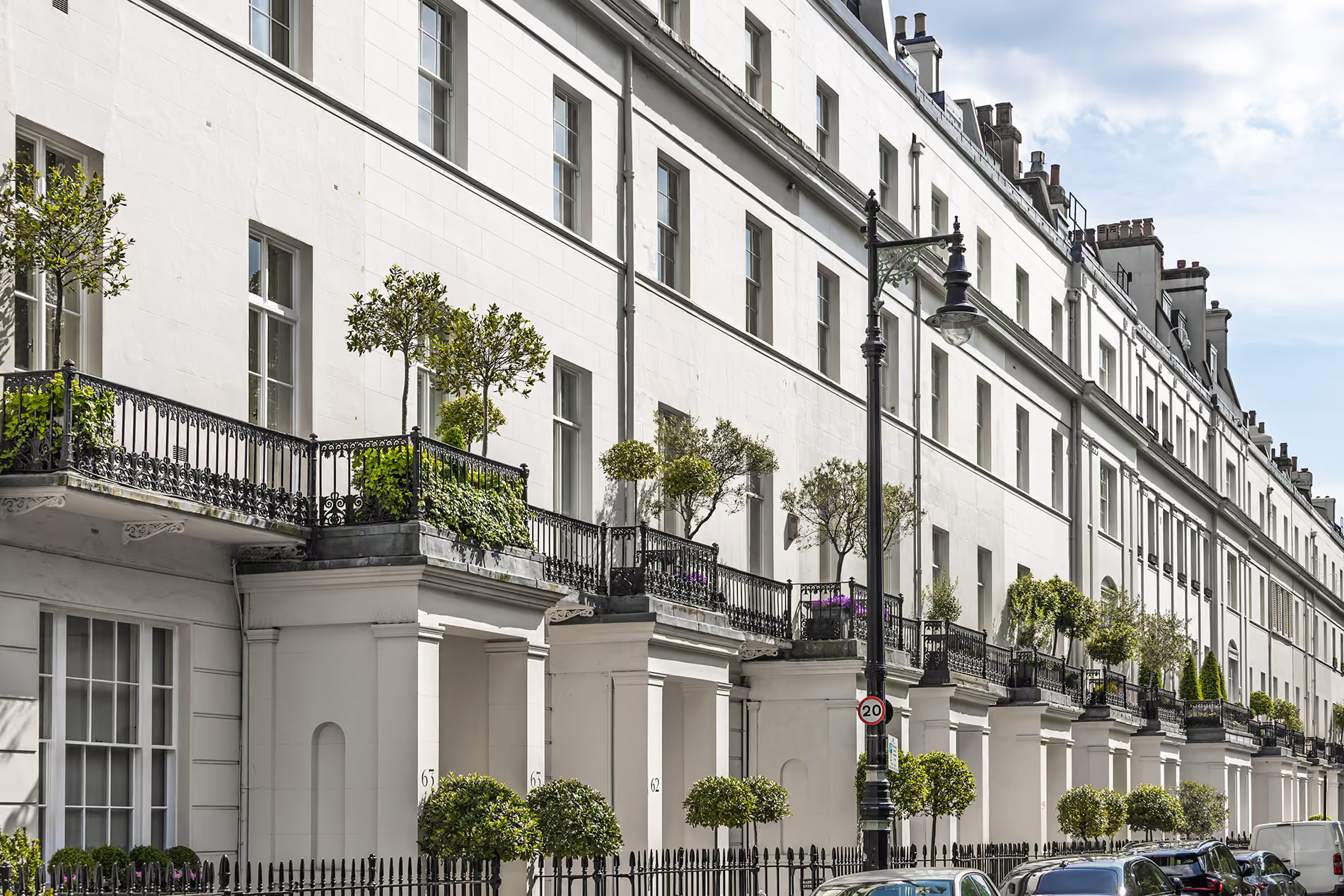

Frequently asked questions
We can support the full process, method statements, material specifications, and liaison with the conservation officer, working alongside a conservation architect for larger or more complex applications where one is required.
Grade I and II* buildings are of exceptional or particular importance and typically face stricter scrutiny; Grade II is the most common listing category. All three require consent for work affecting special interest, but the level of detail conservation officers expect can vary, we'll advise based on your specific listing.
It varies by local authority, but 8-12 weeks is a reasonable general expectation for a straightforward application, more complex projects or those requiring additional heritage assessments can take longer. We factor this into project planning from the outset.
Yes, though we'd want to survey what's already been done before quoting, sometimes previous incompatible work needs to be undone before correct conservation repair can proceed, which affects both cost and timeline.
Yes, we can help you check the National Heritage List for England and clarify your building's listing status and grade as a first step, before any conservation planning begins.



