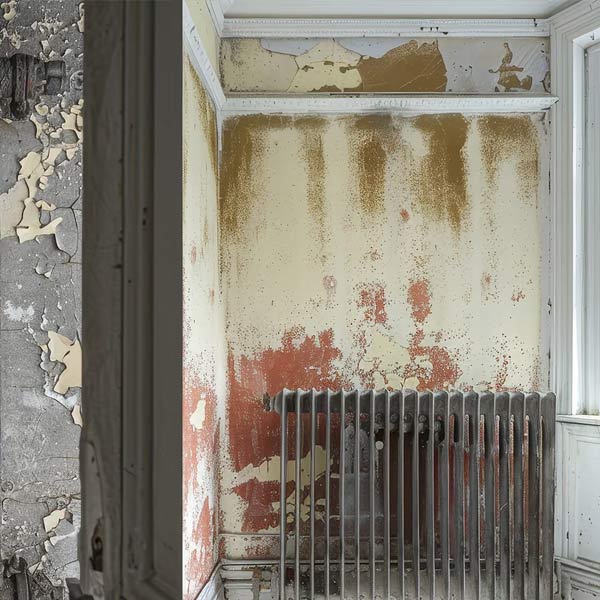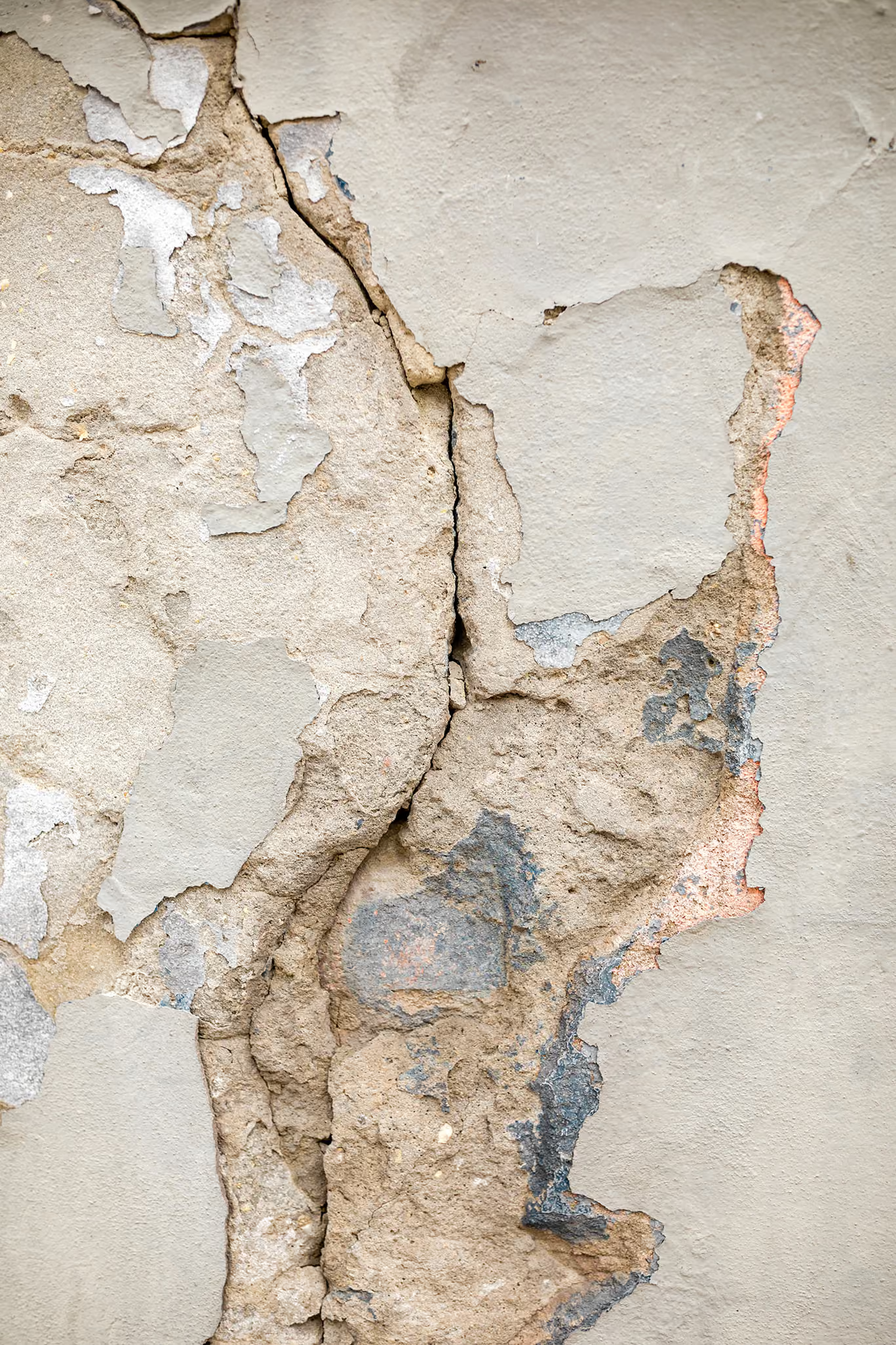
Gypsum plaster is designed for modern, dry, well insulated walls, and it doesn't cope well with the moisture movement that's completely normal in an older solid wall. Applied to a period property, it tends to fail faster, and more visibly, than it would in a modern home, and the reason is largely to do with how the two materials handle moisture differently.
Lime plaster is flexible, breathable, and slightly soluble, which sounds like a downside but is actually central to how it works: it allows moisture to pass through and evaporate, and it can tolerate a certain amount of dampness without permanently failing. Gypsum plaster is more rigid, far less permeable, and doesn't tolerate sustained dampness well at all. Where lime lets a wall breathe, gypsum effectively seals it.
On a solid period wall, moisture is a normal part of how the wall functions, not a defect to be sealed away. When gypsum plaster is applied directly to that kind of wall, it blocks the evaporation route lime plaster would normally provide. Moisture accumulates behind the gypsum, and because gypsum is not tolerant of sustained damp, it begins to soften, crumble, and eventually debond from the wall, sometimes within a few years rather than the decades a correctly specified lime plaster would last.
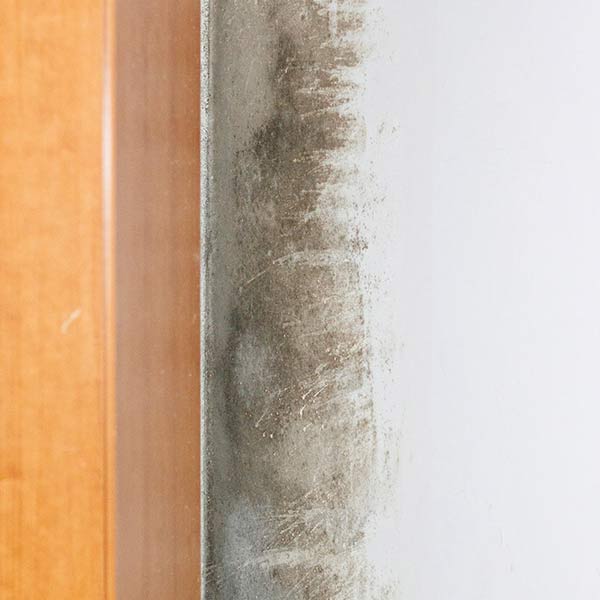
Soft, crumbling, or powdery plaster, particularly near the base of a wall or in corners, is a common early sign. Plaster that sounds hollow when tapped, indicating it's debonded from the wall behind it, is another. Bulging or blown sections, and plaster that's noticeably damp to the touch even when the room feels dry, both point toward the same underlying mismatch.
If the wall itself hasn't changed, still solid, still needing to breathe, replacing failed gypsum plaster with fresh gypsum plaster just restarts the same failure cycle. The material mismatch, not a one off application fault, is usually the actual cause.
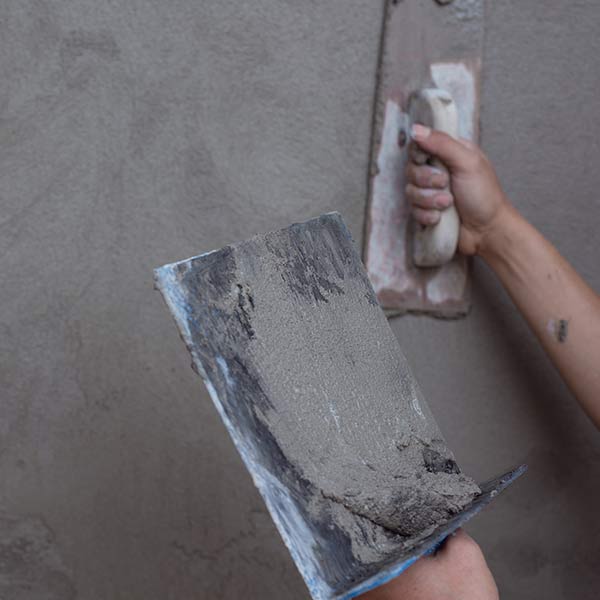
Lime plaster, in a mix suited to the specific wall's condition and exposure, is the appropriate replacement on most solid period walls. It costs more in material and skilled labour than gypsum, but on a wall that genuinely needs to breathe, it's the difference between a plaster finish that lasts for decades and one that needs redoing every few years.
Yes, in some circumstances. A later extension built in modern block or brick, even one attached to an older building, generally performs fine with standard gypsum plaster, since it isn't relying on the same breathable wall system. The distinction is about the specific wall's construction, not a blanket rule that period buildings can never have gypsum anywhere on the property.
Lime plaster typically has a slightly softer, more textured feel and can show fine surface crazing that's normal rather than a defect. Gypsum is generally harder, smoother, and more uniform. If you're not sure, a small test area, or simply asking whoever last worked on the property, is more reliable than guessing, and it's worth confirming before any redecoration or repair work goes ahead, since the right paint and repair approach depends entirely on which one you actually have.