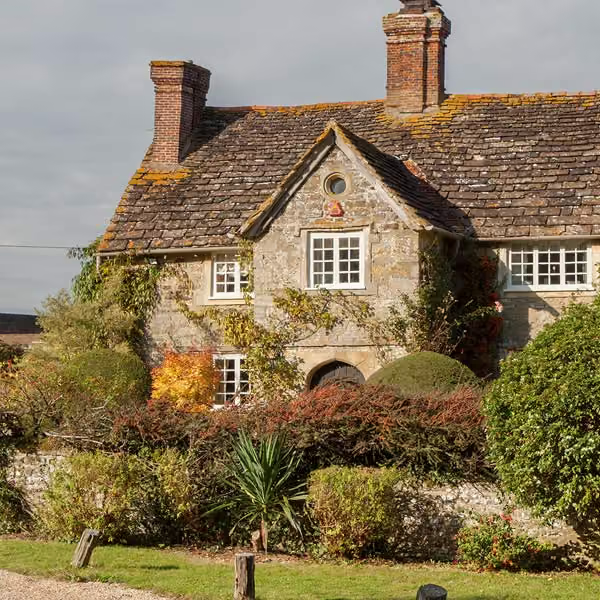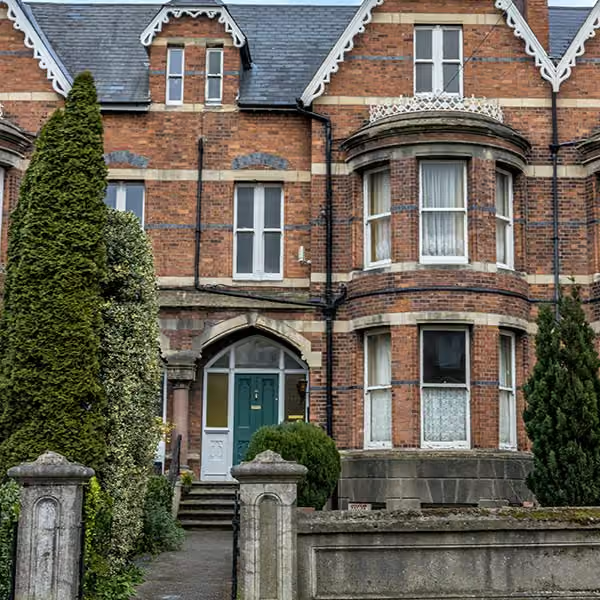
Check the National Heritage List for England to confirm the property's grade (I, II*, or II) and read the listing description itself, which often specifies particular features noted as significant. This gives you a starting sense of how much scrutiny future work is likely to face, and which parts of the building are most likely to be protected.
Because unauthorised alterations to a listed building are a criminal offence and can be required to be reversed at the current owner's expense, regardless of who carried them out, it's worth specifically asking the seller and your solicitor whether any past work had the necessary consent, particularly for anything that looks like a significant alteration, an extension, a removed wall, replaced windows.
A standard homebuyer's survey doesn't always pick up on the specific issues that matter in older, listed construction, the difference between routine settlement and a genuine structural concern, whether previous repairs used compatible materials, or what condition original features are actually in. A heritage specific condition assessment, alongside your standard survey, gives a much clearer picture.
If you already have plans in mind, an extension, a kitchen or bathroom update, converting a loft, it's worth getting an informal sense from a conservation officer or heritage consultant of whether those plans are realistic for this specific property before you commit to buying, rather than discovering after completion that your plans face significant obstacles.
Ask specifically about render, plaster, and repointing history: was any of it done in cement rather than lime? This is one of the most common sources of hidden problems in older properties and isn't always obvious on a casual viewing, but it's a genuine factor in future maintenance cost.
Listed and period properties generally cost more to maintain than an equivalent modern home, specialist materials, specialist trades, and sometimes the consent process itself all add cost that's easy to underestimate if you're used to standard property maintenance. Budgeting realistically for this from the outset avoids unpleasant surprises later.
Beyond listing itself, some conservation areas have an Article 4 direction in place, which removes certain permitted development rights (for window replacement, roof alterations, or painting, for example) that would otherwise apply automatically. This means changes that seem minor and unrestricted on an ordinary property may need full planning permission here, on top of any listed building consent required. It's worth checking whether the property falls within an Article 4 area alongside checking its listing status.
Many historic areas have an active local amenity or civic society, sometimes with genuinely useful institutional knowledge about specific streets or even specific buildings, past disputes, what the conservation officer tends to expect, or particular local quirks. They're not always easy to find, but where one exists, they can be a valuable, informal source of insight beyond what the estate agent or seller will tell you.