For an old brick house built with solid walls, lime mortar is almost always the right choice, not cement. Older brickwork was built to breathe, and a mortar that's harder and less permeable than the surrounding brick causes problems that often take years to become visible.
This is a principle that surprises a lot of people, but it's central to how traditional masonry is meant to work. Lime mortar is deliberately the weaker, more porous, more flexible element in a brick wall. It's meant to be, in effect, sacrificial, absorbing moisture movement and minor structural flexing so the brick itself doesn't have to. Cement mortar reverses this relationship: it's harder than most older brick, which means moisture and movement get forced through the brick instead of the mortar joint, causing the brick face to spall and crumble over time rather than the mortar simply needing eventual repointing.
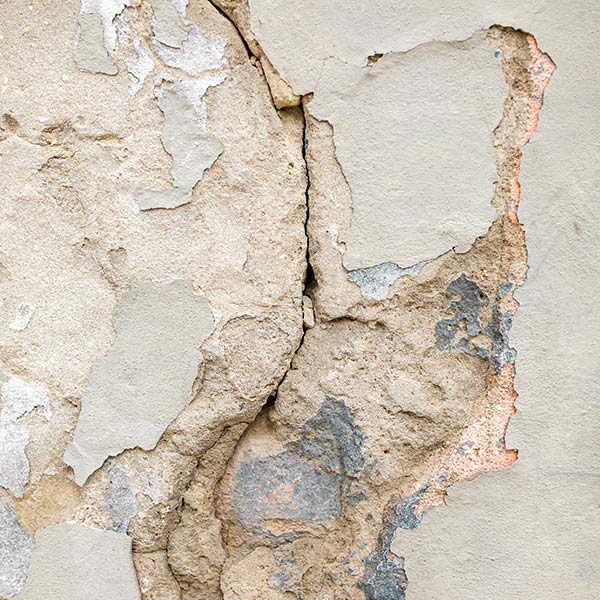
The brick, being softer than the cement pointing around it, bears the brunt of moisture movement and any structural flexing in the wall. Over years, this shows up as spalling, brick faces flaking or crumbling, particularly near ground level or in exposed locations, along with damp patches that can appear on internal walls even though the pointing itself looks intact.
Not all lime mortar is the same, and getting a good match involves more than simply specifying 'lime' rather than cement. The right mix depends on the wall's exposure (a sheltered internal courtyard wall needs a different mix to an exposed coastal facing elevation), the type and hardness of the existing brick, and matching the colour and texture of the original mortar, which varies by the local sand or aggregate historically used in that area.
Lime mortars broadly split into hydraulic limes, which set partly through a chemical reaction and partly through carbonation, offering a bit more initial strength and quicker workability, and non hydraulic (lime putty) mortars, which cure purely through carbonation and are typically softer and more flexible still. Which is appropriate depends on the specific wall, its exposure, and the brick or stone it's being used with, which is why matching the mortar properly needs an assessment of the actual building rather than a generic default choice.
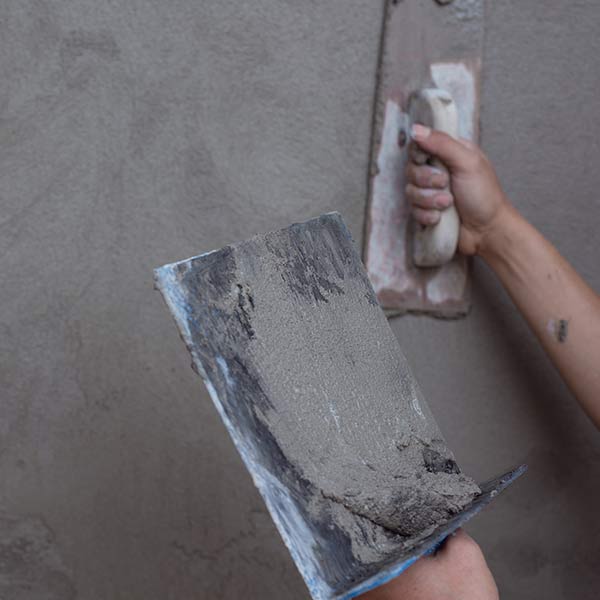
Beyond the mix itself, matching the original mortar's colour (driven by the specific sand and any additives used) and joint profile (flush, recessed, tooled, weathered) is what makes repointing genuinely blend in rather than standing out as an obvious repair, particularly important on a visible facade or in a conservation area.
A physical check, testing a small area to see how the mortar responds, is more reliable than guessing from appearance alone, since cement pointing can sometimes be tinted to look similar to lime from a distance. If your house has had previous repointing and you're unsure what was used, this is worth checking before planning any new brick or mortar work, particularly if damp or spalling brick has already appeared.
Yes, the underlying reasoning is identical for stone masonry: the mortar should be softer and more permeable than the stone around it, not harder. The specific mix varies more with stone than with brick, since stone types vary far more widely in hardness and porosity, from soft, porous limestone to much harder granite, so matching the mortar to the specific stone matters even more than it does with a relatively consistent brick type.
It's common, and entirely reasonable, to repoint only the areas that actually need it rather than the whole wall, provided the mortar and joint profile are matched closely enough that the repaired sections blend in rather than standing out. Trying to force an exact colour match on a small patch against decades of weathering on the surrounding original mortar is sometimes harder than it sounds, and worth discussing honestly with whoever's carrying out the work before assuming a seamless result.