For a solid walled period property, lime render is almost always the right choice, and cement render, despite being the modern default, is one of the most common causes of long term damage we see. The reason comes down to a single property: permeability, how easily moisture can pass through the material.
Most buildings from before the early twentieth century have solid walls, brick, stone, or cob, with no cavity and no modern damp proof membrane. These walls are designed to manage moisture by absorbing it and letting it evaporate back out through the surface. Lime render, being porous and flexible, works with that system. It lets the wall breathe, and it moves slightly as the building naturally expands and contracts, rather than cracking against it.
Cement render is harder, far less permeable, and more rigid than lime. Applied to a modern cavity wall, built with a physical damp proof course and designed to be sealed rather than breathable, it performs perfectly well. Applied to a solid period wall, it blocks the evaporation route the wall relies on. Moisture gets trapped behind the render instead of passing through it, and because cement is also more rigid than the wall it's coating, it tends to crack as the building moves, letting water in through those cracks with no way for it to escape again.
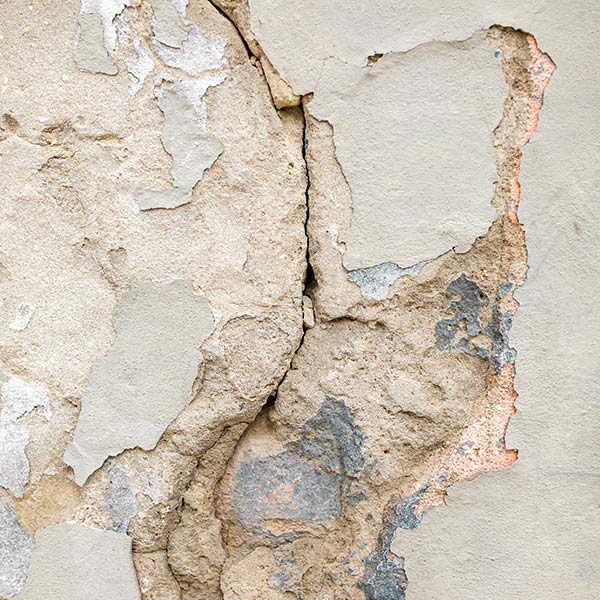
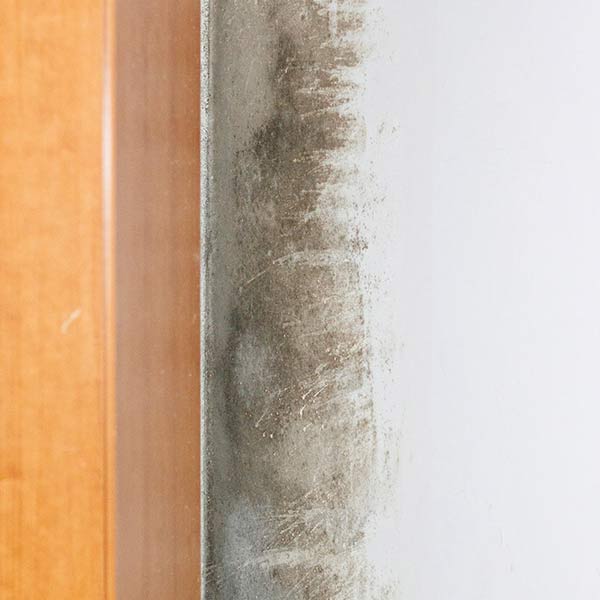
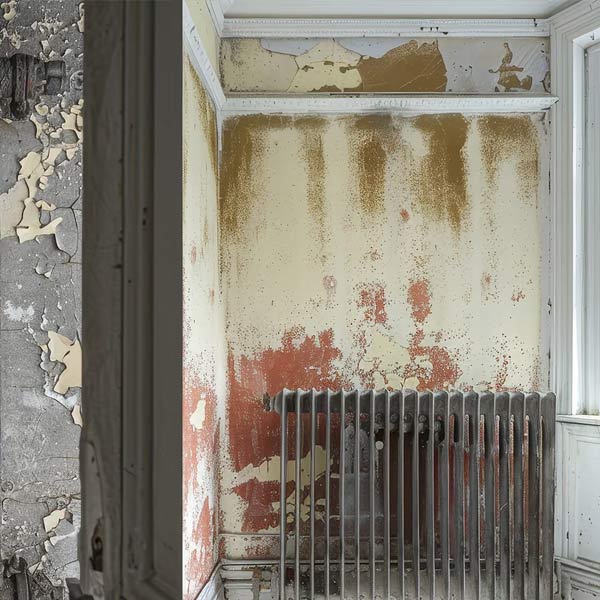
Trapped moisture behind cement render shows up in several ways over time: damp patches appearing on internal walls, often at a different height or location to where you'd expect if it were straightforward penetrating damp, cracking in the render itself in a fine grid pattern, and in more advanced cases, spalling brick or stone as the trapped moisture and any dissolved salts within it damage the masonry from the inside.
Cost and convenience are the main reasons. Cement render is cheaper as a material, faster to apply, and familiar to most general builders, whereas lime render is a specialist material requiring different skills, more preparation, and a slower, multi coat application process with proper drying time between coats. On a modern building, or somewhere the wall genuinely doesn't need to breathe, that trade off makes sense. Applied to an older solid wall without checking what it actually needs, it's a mismatch that often isn't obvious until problems appear months or years later.
Later extensions to a period property, built in modern block or brick with a proper cavity and damp proof course, generally perform fine with cement render, since they're not relying on the same breathable wall system as the original structure. The distinction that matters is the specific wall's construction, solid versus cavity, not simply the age of the property as a whole.
If a period property already has cement render and is showing damp or cracking, the usual recommendation is removing it and reinstating in lime, matched to the wall's exposure and condition. For any new render work on an original solid wall, lime should be the default starting point, not cement with lime considered only as an upgrade.
Cement render is usually harder, flatter, and more uniform to the touch, and tends to develop a fine, grid like cracking pattern as the building moves against a more rigid coating. Lime render often shows a softer texture and can have a slightly irregular, hand finished quality, though the reliable way to confirm it is a physical check rather than judging by appearance alone, since some modern lime based products are formulated to look similar to cement from a distance.
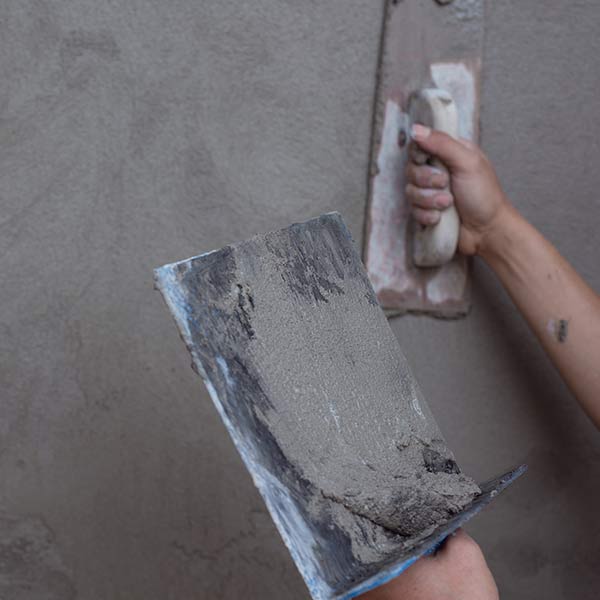
Beyond simply choosing lime over cement, a correctly specified lime render accounts for the wall's exposure (coastal, exposed, or sheltered locations all need different approaches), the type of masonry underneath, and the correct number of coats built up over the right timescale, generally a scratch coat, a floating coat, and a finish coat, each needing proper drying time before the next is applied. Rushing this sequence, or using a single thick coat instead of multiple thinner ones, is a common cause of failure even when lime is the material used.
Lime render costs more upfront, both in material and in the skilled labour it requires. But cement render on a solid wall that needs to breathe tends to fail within years rather than decades, once trapped moisture starts causing cracking and damp, at which point it needs removing and redoing anyway, on top of any damage caused to the wall in the meantime. Looked at over the lifespan of the building rather than the initial invoice, lime is very often the cheaper option.