Damp is one of the most common problems period property owners deal with, and one of the most commonly mistreated. The instinct, understandably, is to reach for whatever fixes damp in a modern house: a chemical damp proof course, a sealed render, a waterproof membrane. On a solid walled Georgian, Victorian, or older property, that instinct is usually wrong, and it's often the reason the damp keeps coming back after being 'fixed' once already.
Most buildings constructed before the early twentieth century were built with solid walls, lime mortar, lime plaster and lime render, materials that are deliberately porous. Moisture moves through them and evaporates from the surface, rather than being blocked at a single barrier the way it is in a modern cavity wall with a physical damp proof course. When that breathing wall is coated in cement render or gypsum plaster, both far less permeable than lime, moisture that would normally evaporate gets trapped instead. It has to go somewhere, and it usually ends up concentrated at the point where the breathable and non breathable materials meet, which is often exactly where the damp patch appears.
Damp is generally grouped into three types, and getting the type right changes the whole repair approach.
True rising damp, groundwater drawn up through a wall by capillary action, is genuinely less common than most homeowners assume, and less common than the damp proofing industry sometimes implies. It's usually limited to the lower part of a wall, close to ground level, and tends to leave a fairly consistent tide mark. Many cases diagnosed as rising damp turn out, on closer inspection, to be something else entirely.
This is moisture entering from outside: through a crack in render, a failed gutter, a blocked downpipe, defective pointing, or a roof detail that's let water in. It can appear anywhere on a wall, not just near the ground, and often correlates with a specific point of entry that becomes obvious once you know to look for it.
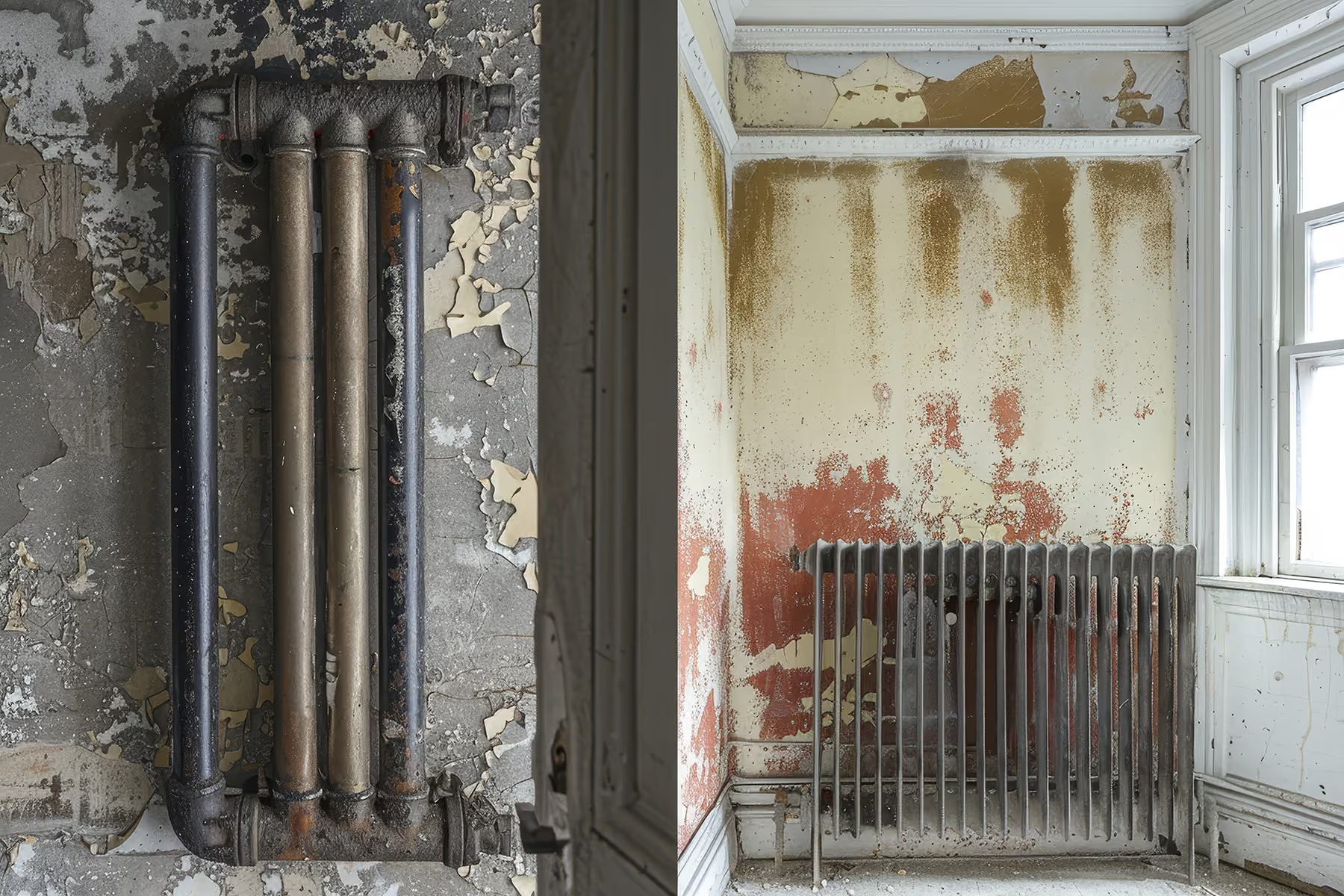
This is often what's actually behind a damp patch that's been misdiagnosed as rising damp. Poor ventilation lets moisture from cooking, bathing, and breathing settle on cold surfaces, particularly external walls and in corners with little air movement. And separately, trapped moisture from a previous incompatible repair, cement render sealing a lime wall, for example, produces damp that has nothing to do with rising groundwater at all, but looks similar if you're not diagnosing carefully.
A proper diagnosis starts with ruling things out, not assuming a cause. That means checking external factors first: ground levels raised above the original damp proof course, guttering and downpipes for leaks or blockages, render for cracks, and the general condition of pointing. It means checking ventilation, since a huge proportion of 'damp' in occupied period properties is condensation from daily living with inadequate airflow. And it means physically inspecting the wall build up, since a previous cement repair is one of the most common root causes we find, and one that a quick surface reading with a damp meter alone won't reveal.
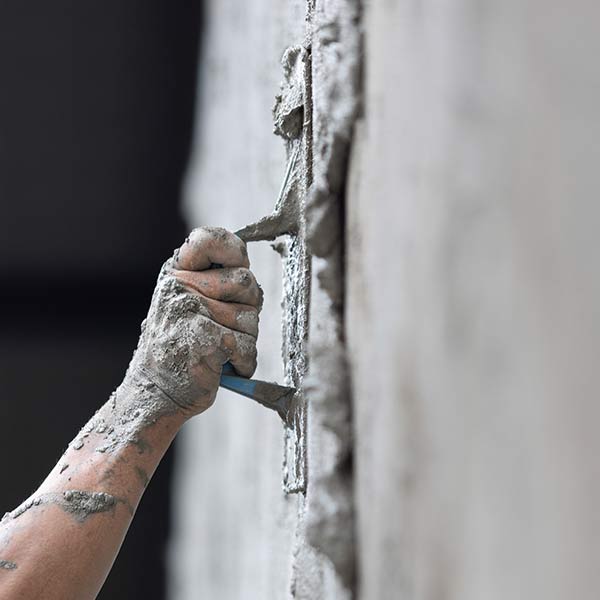
Even with the right diagnosis, the wrong repair material undoes the benefit. Repairing a damp wall with the same cement or gypsum that likely caused the problem in the first place just resets the clock on the same failure. The repair approach that actually works on a period property removes what's trapping the moisture, addresses the external or ventilation cause, and reinstates the wall in breathable materials, lime plaster, lime render, and where genuinely needed, a breathable tanking system rather than a sealed membrane, so the wall can go back to managing moisture the way it was built to.
If a damp patch has already been treated once and has come back, if it's appeared after render or plastering work was carried out, or if you're not sure which of the three types you're dealing with, it's worth getting a proper diagnostic survey before any further work goes ahead. Treating the wrong cause is a common and expensive mistake, and one that's straightforward to avoid with the right diagnosis first.
The most common mistake is treating the symptom rather than the cause: re-plastering a damp wall without first working out why it's damp, so the same patch reappears within a year or two. A close second is sealing rather than breathing, using cement, gypsum, or a modern waterproof paint on a wall that needs to let moisture out, which tends to push the problem sideways or deeper into the wall rather than solving it. And a surprisingly common one is over-ventilating in the wrong place while under-ventilating where it actually matters, extending an extractor fan duct badly, for instance, or blocking an original airbrick during other building work without realising what it was there for.
Once the cause is confirmed, a typical repair sequence removes whatever is trapping moisture (cement render, gypsum plaster, a failed modern coating), addresses the external or ventilation cause directly, allows the wall time to dry out where significant moisture has built up, and then reinstates the wall in breathable lime plaster or render, matched to the original finish. Where genuine rising damp is confirmed, this may also include a physical or chemical damp proof course appropriate to the wall type, though this is the exception rather than the default, not every damp wall needs one.
This is often the part homeowners are least prepared for. Physical repair work, removing failed render or plaster and reinstating in lime, might take days to a few weeks depending on scale. But a wall that's held significant trapped moisture for years can take several months to fully dry out afterwards, sometimes longer for particularly thick solid walls. That drying period isn't a sign the repair has failed, it's a normal part of the wall returning to a healthy moisture balance.