Yes, in most cases cement render can be removed from a period property, and it's frequently the right fix where cement render is trapping moisture and causing damp. The key word is carefully: removal needs to avoid damaging the original masonry underneath, which is softer and more vulnerable than the render coating it.
Where cement render is confirmed as the cause of damp, patching or painting over the symptom doesn't fix anything, the trapped moisture is still there, still causing damage. Removing the render and reinstating in lime addresses the actual cause rather than masking it, which is why it's usually recommended over any less invasive alternative once cement render has been identified as the problem.
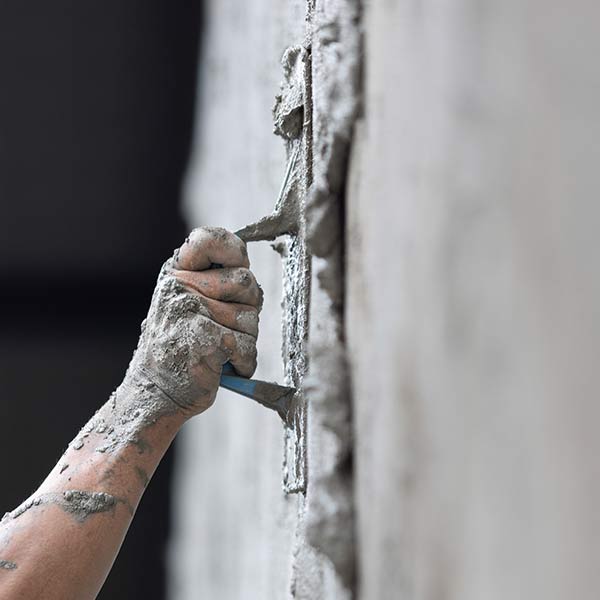
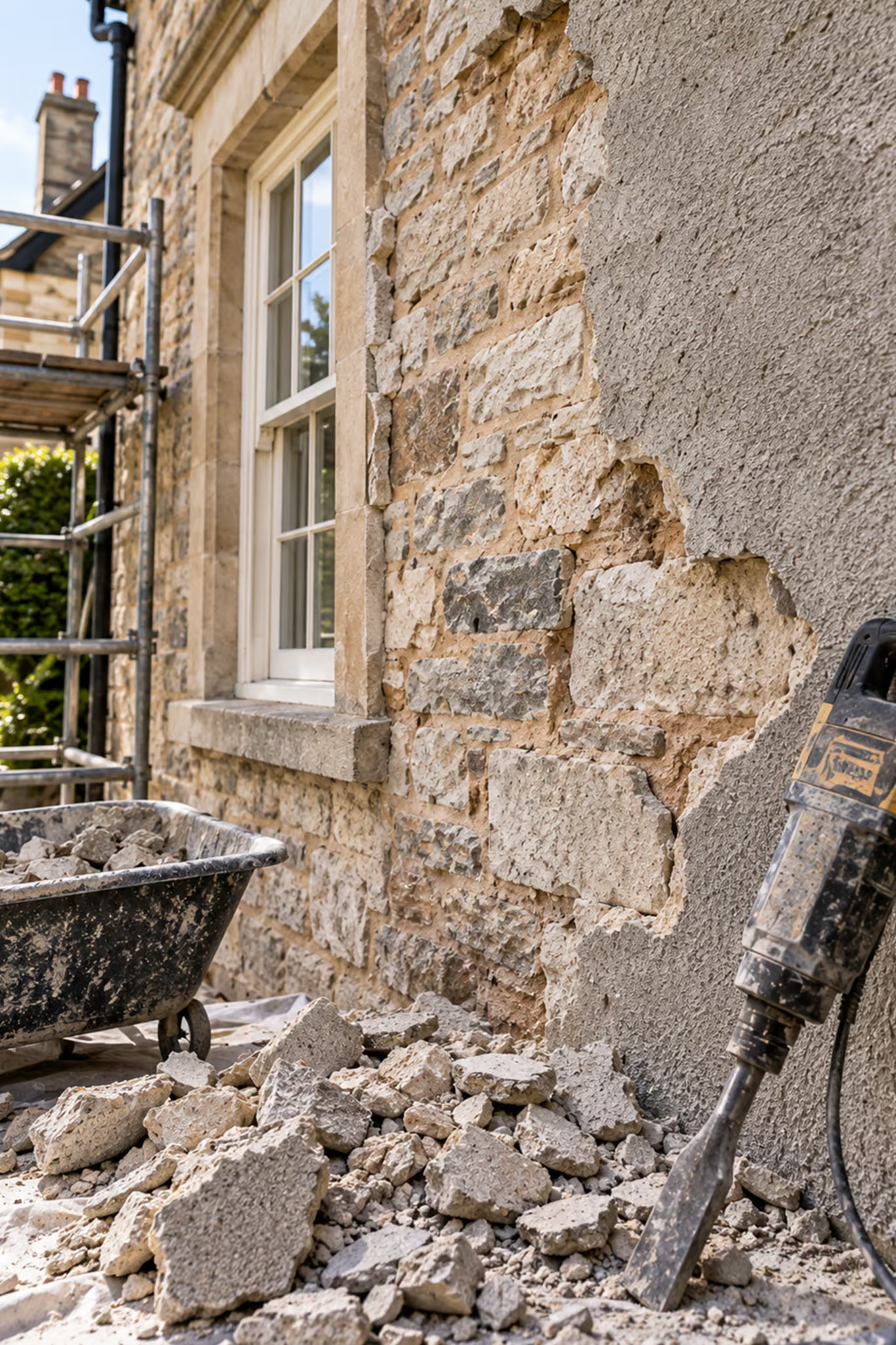
Cement render is typically removed mechanically, carefully broken away from the wall in sections, working to avoid pulling away sound original brick or stone face along with it. This is slower and more careful work than it might sound, since cement render often bonds unevenly to older masonry, and removing it too aggressively can damage or spall the original wall surface, creating new repair work that didn't need to happen.
It varies. Sometimes the original masonry is in reasonably good condition, needing only cleaning and minor repair before re-rendering. Other times, particularly where render has been trapping moisture for years, the wall underneath shows genuine decay, spalling brick, decayed mortar joints, or softened stone, that needs proper repair before any new render goes on. This is one of the reasons a full removal and reassessment is worth doing properly rather than assuming what's underneath without checking.
Once cement render is removed, the wall usually needs time to start drying out before new lime render is applied, since rendering over a still very wet wall can trap that residual moisture under the new coat. How long depends on how saturated the wall was and the weather conditions, but this drying period is a normal part of the process, not a delay to be rushed past.
In almost every case where cement render is causing genuine damp or decay, yes. The exception is where render is sound, not causing any problems, and removal would be purely cosmetic or precautionary, in that case it's a judgement call based on cost versus benefit rather than a clear necessity, and worth discussing properly before committing to the work.
Full removal and re-rendering costs more upfront than patching a visible crack or damp patch, but patching over cement render that's actively trapping moisture doesn't resolve the underlying issue, so the same problem tends to reappear, sometimes worse, within a relatively short time. Assessed over a few years rather than a single job, full removal where it's genuinely needed is usually the better value option, not just the more thorough one.
Generally just the specific wall or elevation being worked on, with reasonable protection for surrounding areas, windows, and any nearby planting. It's not typically necessary to remove render from the whole property just because one wall has a problem, though if several walls show similar symptoms, it's worth assessing all of them rather than treating each in isolation.