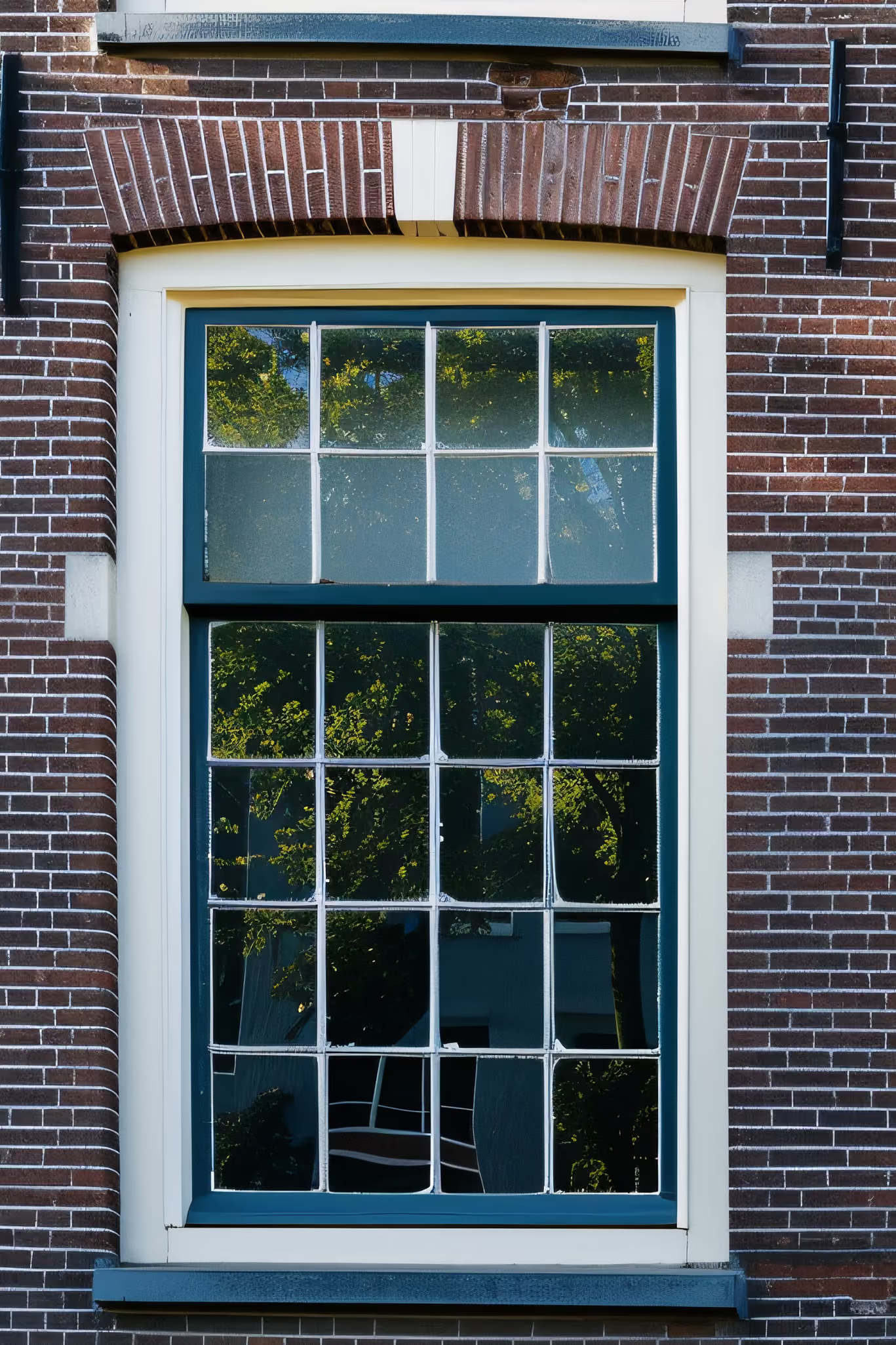
Yes, to an extent, though not always in the way people initially expect. Full standard double glazing units are usually too thick to fit an original sash frame without significant, often inappropriate, alteration. But there are genuine options that improve thermal performance while keeping the original window, ranging from draught proofing alone through to slimline double glazed units designed specifically for period frames.
Before considering any glazing change, draught proofing is worth doing on its own, and often makes the single biggest difference to comfort and heat loss. Traditional draught proofing systems fit into the existing frame, sealing the gaps around the sashes without altering the window's appearance or touching the glazing at all. For many owners, particularly on windows in good structural condition, this alone resolves most of the discomfort that prompted the double glazing question in the first place.
Slimline double glazed units are considerably thinner than standard modern double glazing, designed to fit within the glazing bar profile of an original sash without needing to widen or replace the frame. They offer a genuine improvement in thermal performance and noise reduction over single glazing, though generally not quite matching the performance of standard modern double glazing, a trade off for preserving the original frame and appearance.
Secondary glazing, a separate slim window fitted on the inside of the existing frame, is another option, particularly where the sash itself is especially fine or fragile and altering its glazing bars isn't desirable. It can offer strong thermal and noise performance and is fully reversible, since it doesn't alter the original window at all, though it does add an additional visible element on the inside of the room.
On listed properties, replacing original glazing, even with an accurate slimline double glazed unit, may need listed building consent, while draught proofing and secondary glazing generally don't, since neither alters the original window itself. This is often the deciding factor for listed building owners: draught proofing and secondary glazing avoid the consent process entirely, while altering the original glazing typically doesn't.
For many period property owners, particularly on listed buildings, the realistic sequence is draught proofing first, since it's low cost, low risk, and doesn't require consent, then secondary glazing if further improvement is wanted without touching the original window, with slimline double glazing considered where the original glazing genuinely needs replacing anyway, for example because it's already damaged or beyond repair.
Full standard double glazing in an original frame usually isn't realistic without compromising the window's character, but that doesn't mean you're stuck with poor thermal performance. The combination of proper draught proofing, and where appropriate slimline glazing or secondary glazing, gets most period sash windows to a genuinely comfortable standard without losing what makes them worth keeping in the first place.
One thing worth knowing before upgrading glazing: improving a home's airtightness and thermal performance, whether through window upgrades, insulation, or both, can sometimes increase condensation risk if ventilation isn't considered at the same time, since warm, moist air that used to escape through draughts now has fewer places to go. This isn't a reason to avoid draught proofing or glazing upgrades, but it's worth factoring background ventilation into the plan alongside them, particularly in kitchens and bathrooms.
If noise is the primary concern rather than heat loss, particularly on a busy road, secondary glazing with a wider air gap between the two panes generally performs better for sound insulation than slimline double glazing, where the gap is necessarily narrow to fit the original frame. This is worth discussing specifically if noise, rather than heat loss, is your main reason for considering an upgrade.