Yes, and it's one of the most common causes of damp we see in period properties. Cement render is significantly less permeable than the lime render most solid walled buildings were originally finished in, and applying it to a wall that needs to breathe usually makes the underlying moisture problem worse, not better.
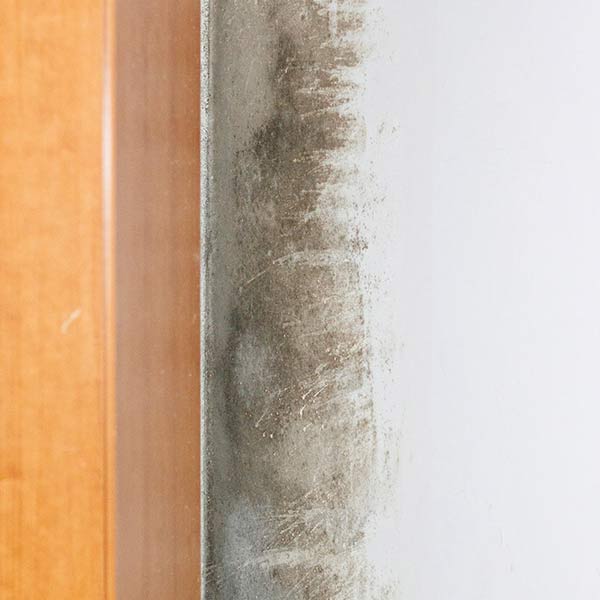
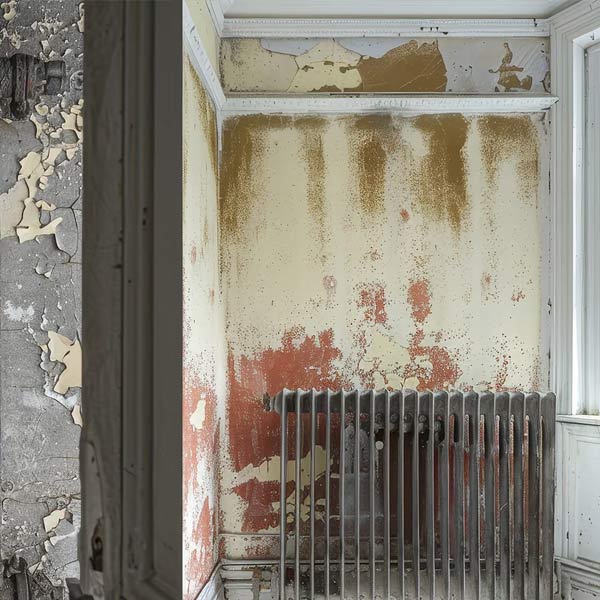
A solid wall built with lime mortar and finished in lime render manages moisture by letting it move through the wall and evaporate from the surface. Cement render blocks that evaporation route. Moisture that would normally pass through and dry out gets trapped inside the wall instead, where it has nowhere to go except sideways, often surfacing as damp somewhere else on the wall, or continuing to sit in the masonry and accelerating decay in brick, stone, or timber that's now permanently damp.
Cement render is cheaper, faster to apply, and more familiar to many general builders than lime, which is a specialist material requiring different skills and a slower application process. On a modern cavity wall it's perfectly appropriate. Applied to an older solid wall out of habit, without checking what the wall actually needs, it's a mismatch that often isn't obvious until damp starts appearing months or years later.
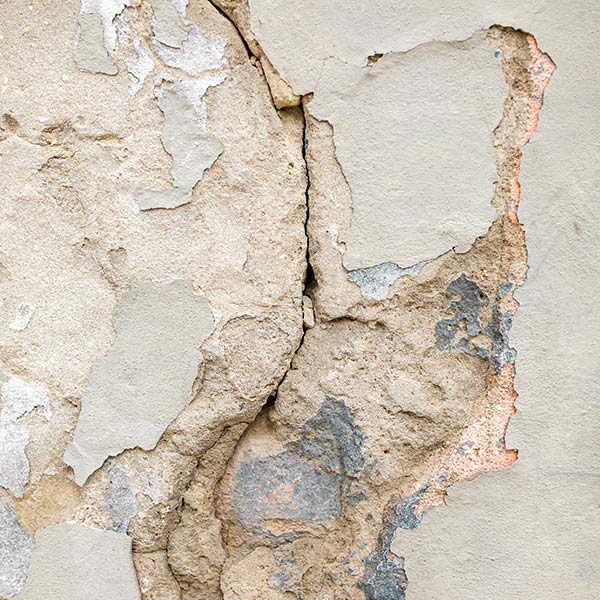
Damp patches that appear at the base of a rendered wall, or that follow the pattern of cracks in the render, are a common giveaway. Cracking in the render itself, particularly hairline cracking in a grid pattern, is another sign, since cement render is more rigid than the wall behind it and tends to crack as the building naturally moves. If a wall was rendered in cement at some point and damp has appeared since, the render is a reasonable first suspect.
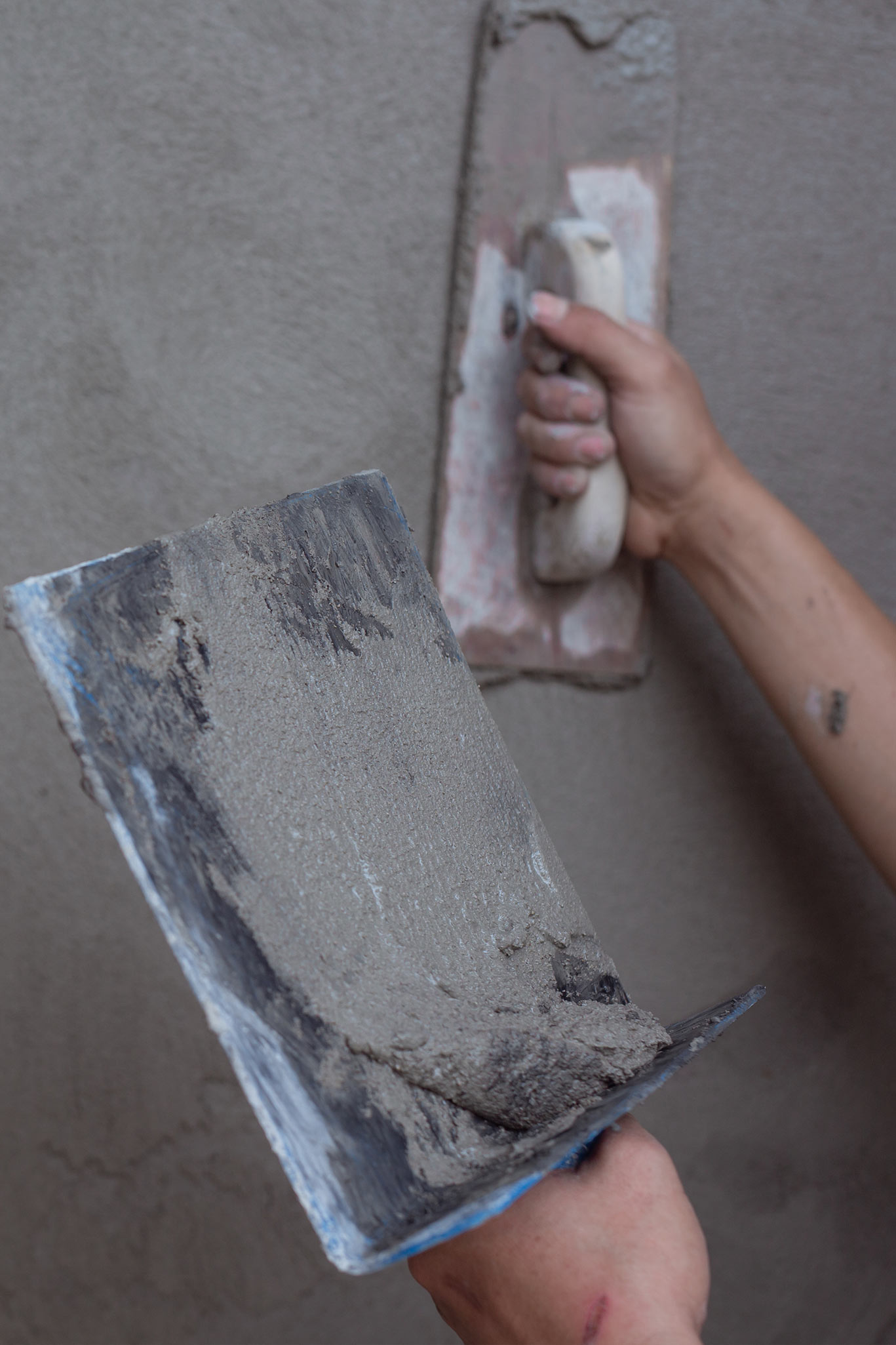
The usual fix is removing the cement render (carefully, so as not to damage sound masonry underneath), assessing the wall's actual condition once it's exposed, and re-rendering in lime, matched to the wall's exposure and construction. This isn't always a quick job, lime render is applied in coats with proper drying time between each, but it addresses the actual cause rather than repeating the same mismatch.
Once cement render is removed and the wall is re-rendered in lime, it can take some time, sometimes months, for trapped moisture already in the wall to fully dry out. That's normal, and worth knowing in advance so it isn't mistaken for the repair not working.
It's fairly common to find a wall with mixed history, an original lime finish in most places, with a patch of cement render from an earlier repair somewhere specific, often around a damaged area that was fixed at some point in the past. In that case, it's usually the cement patch specifically causing the localised damp, and removing and re-rendering just that section in lime, rather than the whole wall, is often sufficient, provided the rest of the render is sound.
Sometimes. Cement render often has a harder, flatter, more uniform appearance than lime, and tends to develop a distinctive fine cracking pattern as the building moves against a more rigid material. But the reliable way to confirm it is a physical check, tapping for a hollow sound, or a small test area, rather than guessing from appearance alone, since some lime renders can look deceptively similar from a distance.